
Behind the Impact: Anne Marshall
17 June 2026
•By Emily Freedman

Behind the Impact.
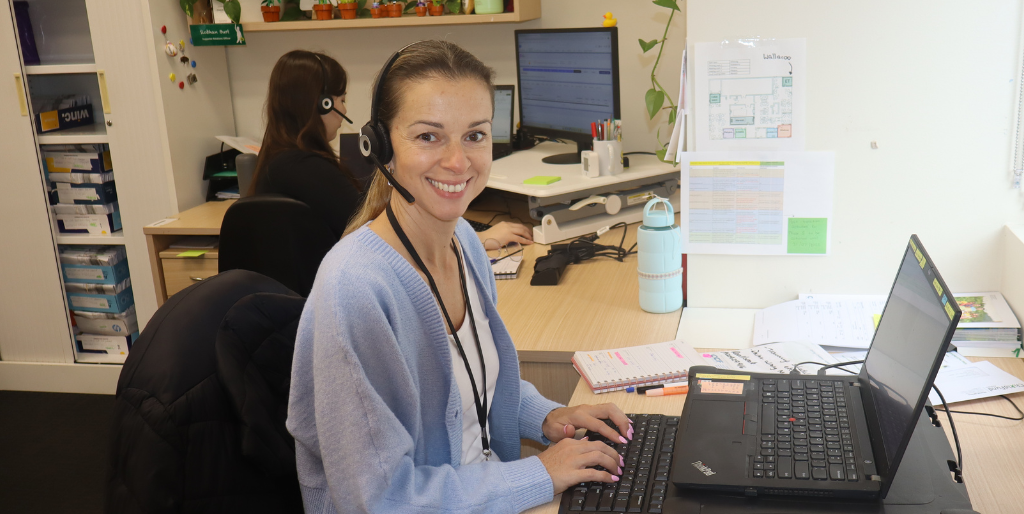
Creating real change for the children, families and communities ChildFund Australia supports doesn’t happen alone. It takes a team working across borders, timezones and challenges. Our Behind the Impact series gives you a closer look at what drives our team. Here, Anne Marshall, Supporter Relations Manager, reflects on more than 20 years of supporting supporters, the relationships that keep her motivated and why connection remains at the heart of her work.
The path to ChildFund
As a child, I wanted to be a nurse. Looking back, I can see it came from the same place that motivates me today – a desire to help people directly.
I first became a ChildFund supporter after hearing about the organisation through a friend and seeing early television advertising. At the time, I was working in a beauty therapy salon and looking for a way to give back. From there, things grew naturally – from supporter to volunteer, then into part-time work and eventually into a full-time role spanning more than 20 years.
I did spend some time in fundraising along the way, but I quickly realised supporter relations was where I felt most at home. For me, it has always come back to listening, connecting and helping people feel heard.
Before the phones start ringing
Most days start around 5 or 5.30am before my daughter wakes up. I might go for a run, walk by the ocean or sit with a quiet cup of tea before the day begins.
Those small routines help me feel steady before the day picks up, especially during busy periods like tax time and Christmas. That calm helps me stay present when I’m speaking with supporters, answering questions and making sure everything is taken care of properly.
What happens when supporters contact ChildFund
When a supporter gets in touch, a real person reads and responds. It might be a question about a donation, a tax receipt or an update to details. Whatever it is, it lands with our Supporter Relations team, who take it from there.
Some things can be resolved straight away, while others need a bit more digging – checking records or working with colleagues across data, fundraising or programs to get everything right. Either way, we make sure it’s followed through until it’s resolved.
The work behind the donations
When a donation is made or a supporter gets in touch, it comes through to me or one of my colleagues first. We make sure everything is handled properly – from issuing tax receipts to updating details or confirming gifts have been recorded correctly. So when you give, it’s not just received into a system. It’s looked after by real people making sure everything is in order. At this time of year, things naturally pick up as supporters review their giving and get in touch with questions about tax receipts or records. Behind every email or phone call is a team working together to make sure everything lines up. It can be busy, but there’s a strong sense of teamwork and everyone really leans in together.
What supporter relations actually looks like
No two days are the same, which is probably what I like most about the role. Most days I move between inboxes, phone calls, supporter queries and working with different teams across the organisation.
A big part of my role is making sure supporter information is accurate and any issues are resolved smoothly. Much of this happens behind the scenes, but it helps create a consistent experience for supporters and ensures they can feel confident in their giving.
What people don't see behind the scenes
I think people would be surprised by how much coordination is happening in the background. Supporter Relations can sometimes be misunderstood as purely administrative, but underneath it is trust, communication and connection.
While the systems and tools have changed dramatically over the years – I’ve been here long enough to have seen fax machines, paper files and "click-clack" credit card machines give way to digital systems and email inboxes – the reason I show up each day is the same.
It’s often seen as just emails and phone calls, but it’s really about systems, accuracy and communication across multiple teams. We work closely with fundraising, data and programs to make sure supporters receive the right information and have a positive experience every time they connect with us. It all plays an important role in helping supporters stay connected to the difference they make in the lives of children.
At the end of the day, it’s about making sure supporters can trust that their generosity is making a real difference.
Still finding purpose after 20 years
After more than 20 years, the reason I’m still here is simple: I feel like I’m helping people help others. That’s really the core of it for me.
The most meaningful part of my role is knowing that when a supporter reaches out, they feel confident in what they are doing and connected to the impact they are having. For me, it has always come back to listening, connecting and helping people feel heard in a genuine way. That’s really why I’ve stayed for so long. I always say, “We don’t have to help – we get to help.”
Why she looks forward to Mondays
I’m incredibly lucky to work with a team I genuinely enjoy. There’s a lot of laughter, a lot of support and I look forward to coming into work each day – I’ve never really been someone who gets that Sunday night dread. In fact, I often say I pretty much skip to work in the mornings – and that’s not something I take for granted.
Switching off and resetting
Outside of work, I try not to carry everything with me. Exercise helps – running, walking, just getting outside. I also read light novels, usually something easy and immersive so I can properly switch off. Staying connected with people is really key. Friends, family, my husband – those conversations reset everything. Even on the busiest days, connection is what brings things back into balance.
A phrase she returns to
“Always look for silver linings.”
It’s something my mum taught me and it’s stayed with me ever since. Things don’t always go to plan, but there’s usually something to learn, appreciate or hold onto if you look closely enough.
This interview has been edited and condensed for clarity.