

Behind the Impact: Nicola Hannigan
10 April 2026

Behind the Impact.
Creating real change for the children, families and communities ChildFund Australia supports doesn’t happen alone. It takes a team working across borders, time zones and challenges. Our Behind the Impact series gives you a closer look at what drives our team. Here, Nicola Hannigan, Senior Program Coordinator, shares her reflections on the power of collaboration, field work and the meditative effects of baking.
How she starts the day
I am not a natural morning person, so I really need to ease myself into the day. I usually start with some sunlight and a short walk to clear my head followed by a cappuccino while I think through what is ahead. This is usually soundtracked with classical music. These small rituals help set the tone for my day, calm focused and ready to take on whatever comes my way.
A path shaped by curiosity and family
I’ve always wanted to do something meaningful that connects me with others… it was either this or psychology! A course in environmental hazards and disaster management in the UK, suggested by my mum, led to a month in Australia exploring new landscapes and meeting people with very different lives. It was my first taste of what it truly means to make an impact.
After graduation, I secured an internship at World Vision, which quickly became a role supporting Typhoon Haiyan relief efforts in the Philippines. Then followed 18 months coordinating aid across neighbouring countries during the Ukraine crisis, learning lessons no textbook could teach – about resilience, teamwork and how communities adapt and rebuild. And yes, mums really do know best!
Choosing ChildFund
After moving to Australia, I wasn’t sure I’d stick with international development, especially after the stress of emergency response work. Then I found ChildFund Australia: a leadership role and the chance to work in Papua New Guinea, a country with a unique and challenging context. It felt like the perfect fit.
And yes, this probably sounds cheesy, but my main motivation is that I genuinely want to do some good in the world.
What a program coordinator actually does
Most of my work is about connecting people and ideas to create impact. I work with child protection specialists and Health specialists in Sydney and Papua New Guinea, helping programs work on the ground. Country teams and partners lead the day-to-day work, and I make sure the right expertise shows up at the right time.
No two days are the same. Budgets shift, priorities flip, emergencies pop up. One morning, I’m solving a funding gap that could delay an immunisation program. That afternoon, I’m helping teams tweak a nutrition program because local circumstances changed overnight.
Seeing the impact on the ground in Papua New Guinea
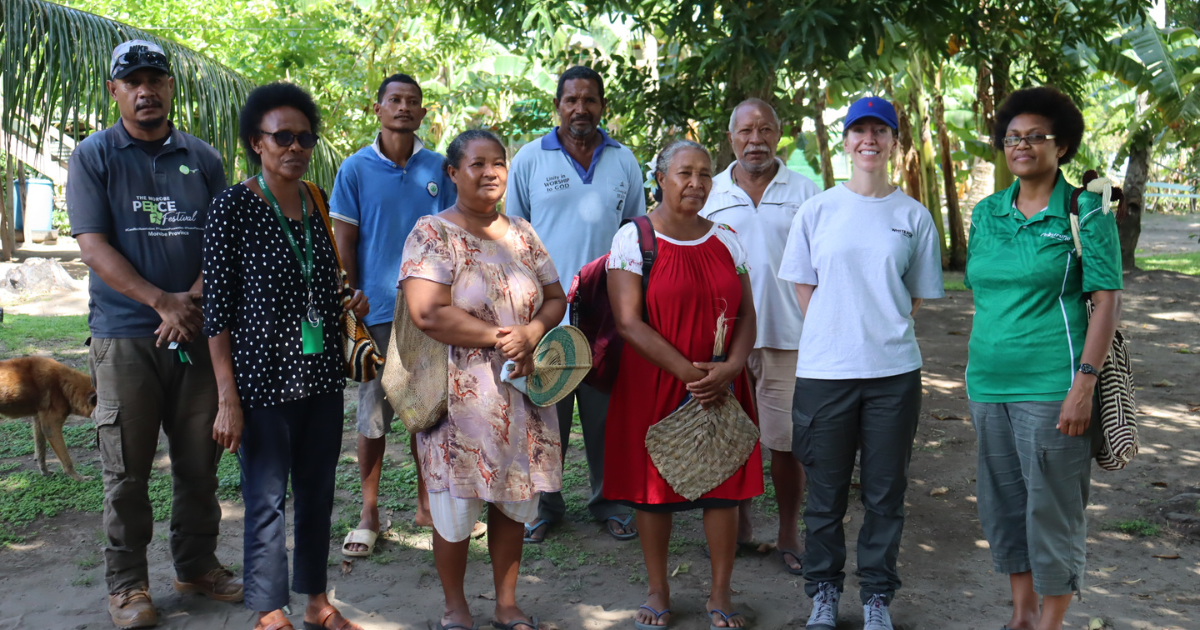
Visiting programs in-country is one of the most important parts of my role. Recently I spent time in Papua New Guinea where I visited a health clinic and saw a new labour ward under construction. What stood out most was the incredible expertise of local teams and how essential it is to trust and centre their knowledge.
I met the health officer running the clinic and was struck by the responsibility he carries and how deeply he understands his community’s needs. I asked endless questions to better understand his work and left with a strong sense of just how wide the gap is between need and available resources.
I also spent hours with an incredible officer working on improving immunisations for mothers and children. To my shock I learnt that leprosy was still a reality in some communities. It really brought home both the scale of the challenges and the extraordinary dedication of local teams working every day to respond.
Being on the ground shows what no report ever can. It is my role to ensure those insights, knowledge and needs are taken back to our Sydney teams and partners, so programs are shaped by what is really happening in communities.
How ChildFund Australia's programs build resilience
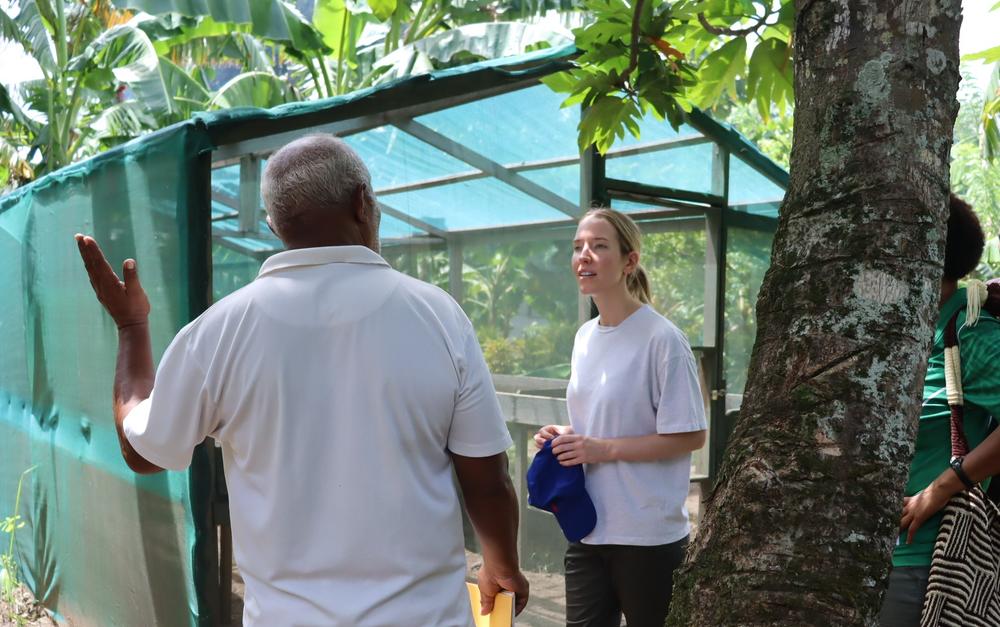
One of our programs in Papua New Guinea focuses on disaster preparedness, as floods, storms and other climate-related disasters disrupt daily life. We support farmer groups with seeds, training and sustainable farming practices so communities can become more self-reliant. Families grow food, sell what they can locally and share what grows best.
Preparedness is part of everyday life. It's not a separate activity, but something communities build into how they live and plan. Communities learn how to respond, build safer homes and recover afterwards. We also work with districts, ministries and governments to strengthen local systems so support reaches communities when needed.
Water access is still a challenge. A single pump can help, but it’s never enough. When water is scarce, it means long walks and less time for school, work or rest. The goal is to help communities plan ahead, advocate for what they need and reduce reliance on external aid.
Championing girls' education
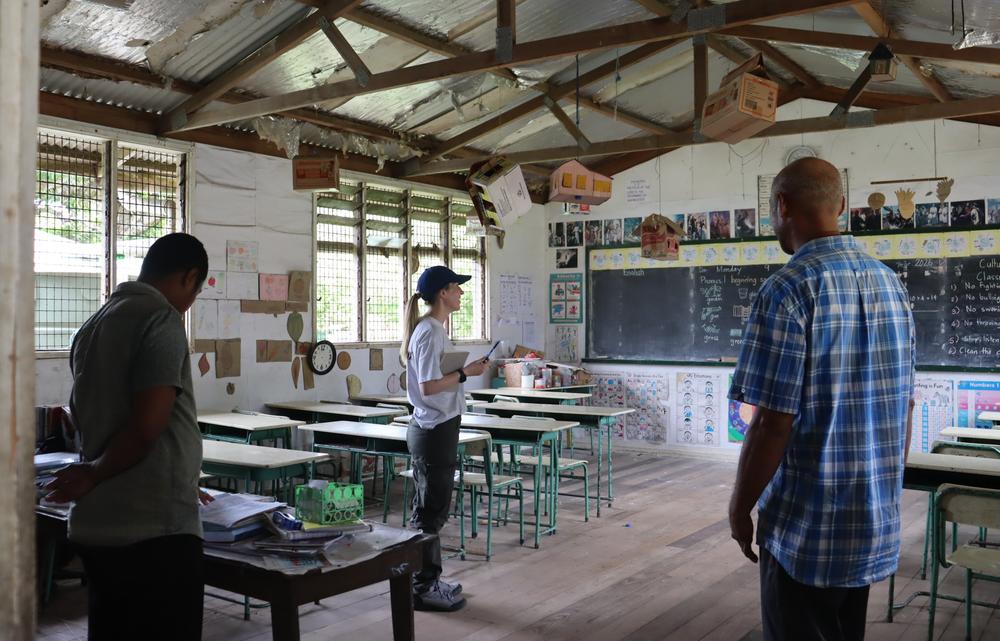
Equal access to education for girls is something I’m really passionate about. I’ve seen how often girls are deprioritised or encouraged to stay home and support their families even when they want to learn. That’s why it’s so important to support girls to stay in school and to work with parents to understand the value of education.
Something as simple as access to proper toilets or latrines can make a huge difference. Without them, girls may miss school during menstruation. Providing these facilities helps ensure they can stay in class and continue learning.
What 'getting it done' looks like
Progress matters. I juggle priorities, find solutions quickly and support teams to deliver programs effectively. Sitting down with colleagues in-country is also a chance to reflect on successes, celebrate wins and learn from what works. Things will go wrong – plenty of things – but plenty also go right, and it’s important to honour that.
The advice she keeps front of mind
Always assume the people around you know more than you do. It keeps me open-minded, encourages questions and reminds me to learn from every team, partner and community member.
Staying grounded – one sweet treat at a time
I’ve learnt, over time, not to carry stress with me. If something can’t be fixed immediately, I set it aside. Short walks and Pilates help. And baking –I’m super into baking, especially anything sweet. It’s one of my favourite ways to unwind. There’s something cathartic about it; it helps me switch off and gives my brain a break from constant problem-solving.
This interview has been edited and condensed for clarity.