

Click, Scroll, Share… Swipe Safe!
21 January 2026

Why online safety matters more than ever
Kids are online more than ever – and that’s not slowing down. Every half-second, a new child goes online for the first time, adding up to roughly 63 million new users every year. But while access is booming, protections, education and support haven’t kept pace. That leaves kids exposed to online risks like cyberbullying, grooming, sextortion and misinformation.
Here in Australia, online safety is front of mind for families and lawmakers. In late 2025, the Australian Government introduced a world-first law requiring social media platforms to block users under 16 from holding accounts. Platforms including Instagram, TikTok, Facebook, Snapchat, YouTube and X have removed millions of under-16 accounts as the law rolls out. The national conversation continues about how to keep kids safe online while letting them enjoy the opportunities digital life offers.
What is Swipe Safe and how it works
At ChildFund Australia, we know that safety matters but so does confidence online. That’s why we launched Swipe Safe, our online child protection initiative helping children, teens, parents, caregivers and teachers navigate the digital world safely, responsibly and confidently.
Swipe Safe isn’t about saying “don’t go online.” It’s about giving young people practical, age-appropriate tools to stay safe, think critically and make smart choices online. We work with local partners in South-East Asia and the Pacific to deliver workshops and training based on three key principles:
- Digital permanence – understanding what stays online forever and how to manage it
- Privacy – protecting personal information and boundaries
- Respectful interaction – learning to communicate online without harm
Everyone gets content tailored to their needs:
- Kids’ workshops focus on safety skills they can use right away
- Parent and caregiver sessions help adults guide their kids online with confidence
- Professional training equips teachers and frontline workers to spot risks and respond effectively
Practical skills for kids, parents and teachers
Swipe Safe is hands-on. Children learn practical ways to protect themselves while caregivers and teachers gain the confidence and knowledge to support them. Activities include interactive lessons, exercises and real-life examples that show how to navigate social media, spot misinformation, protect personal information and respond to unsafe situations.
Watch our quick intro below to learn more.
Real stories: teens navigating the digital world
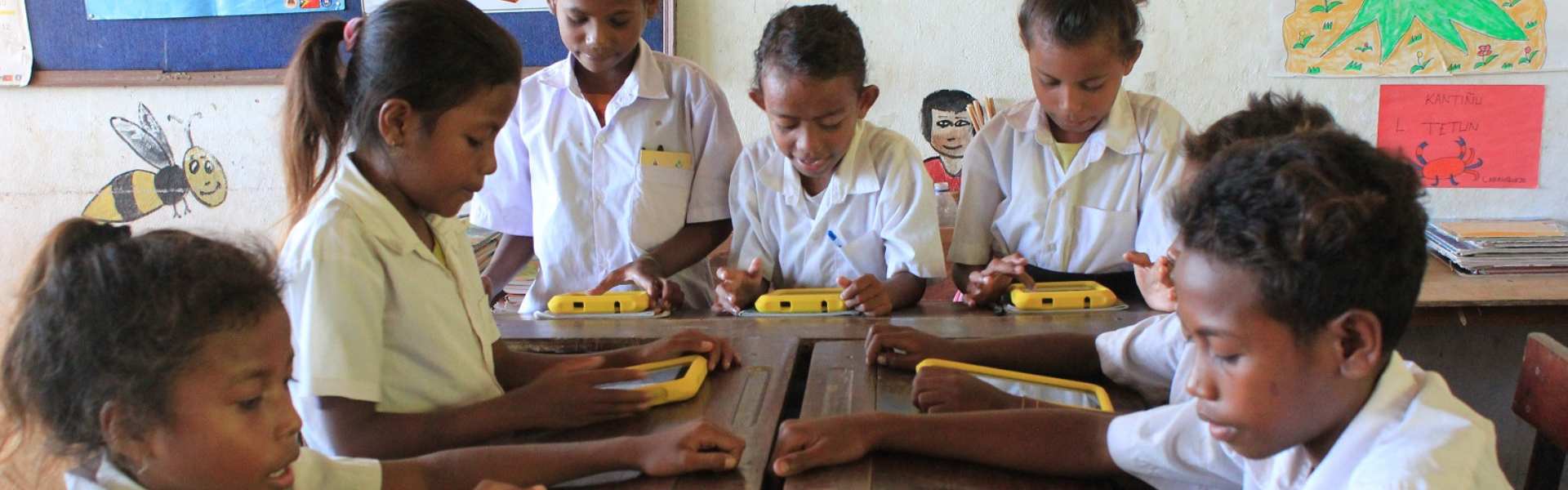
Maria*, 13, (pictured below) lives in Timor-Leste. She uses WhatsApp, TikTok, and Instagram every day to connect with friends and support her schoolwork. Access to the internet is growing rapidly in Timor-Leste, but connectivity can be unreliable and online safety resources are limited. Like many teens, Maria spends hours online and faces risks like cyberbullying, scams, and disinformation. Many parents don’t know how to guide children safely.
Through ChildFund’s Swipe Safe program, Maria and her classmates are learning how to spot risks, protect their privacy and navigate the internet with confidence. The curriculum focuses on interactive lessons, practical exercises and real-life examples led by trained facilitators. Students are already putting their learning into practice.

Jose*, 14, shared how the program has helped him: “There’s so much fake news. Before, I would believe everything I saw. Now I double-check before sharing.”
In Timor-Leste, students launched Jornal Parede Dijital, a student-led digital newsletter that gives young people a safe space to create, share stories and learn about safe online habits. Students say it’s not only a fun activity but that it has helped them think differently about how they use technology.
Antonio*, 18, shared: “Through Swipe Safe, I have learnt how to use the internet safely and why it’s important to tell a trusted adult if something doesn’t feel right online.”
Across the region, Swipe Safe is creating a more positive online experience. Kids are spotting risks faster, caregivers feel more confident talking about online issues and professionals are better prepared to create safe digital spaces.
Swipe for success
Since launching in 2017, Swipe Safe has had a big impact across the Asia-Pacific, helping children and young people develop digital skills, resilience and confidence.
In the past three years, it has reached over 35,000 children and young people across nine countries, helping them make safer choices online and use the internet confidently for learning and connection.
The program’s impact was also highlighted during Pacific Cyber Week, which brought together educators, policymakers and digital safety experts to share strategies for safeguarding the next generation online. Swipe Safe’s approach – practical skills, age-appropriate education and community engagement – reflects the lessons learned from this landmark regional event.
Digital resilience: building confidence online
Online spaces aren’t going away, and neither are the risks. Laws like Australia’s under-16 social media rule help but they’re not enough. Kids still need skills, adults still need support and communities need to work together to make the internet safer.
Swipe Safe focuses on learning, empowerment and practical tools. It helps young people not just survive online but navigate the digital world confidently, responsibly and safely.
Looking ahead: safer online spaces for everyone
The digital world offers children amazing opportunities to learn and connect but also brings risks. At ChildFund, we are committed to helping every child navigate online spaces safely, confidently and with dignity. That means strengthening protections, building digital literacy and supporting communities wherever children go online.
Creating lasting change requires collective action from schools, families and communities. If you are building digital literacy in your school or community, ChildFund’s Swipe Safe app and program offers a practical place to start while we continue advocating for systemic change that protects children online.
*Names have been changed to protect individuals’ identity
This project is supported by the Australian Government through the Australian NGO Cooperation Program (ANCP).