
Ending violence must start in childhood
21 April 2026

Why ending violence must start in childhood
Violence against women doesn’t begin in adulthood – its drivers are established much earlier, in childhood, and reinforced over time. Preventing violence in childhood is essential to gender equality, because it protects children now and reduces harm later.
Violence doesn’t appear overnight. It grows where harmful norms go unchallenged, where power is misused, and where systems don’t recognise children and young people as rights holders who need protection in their own right. If we want to end violence against women, we have to stop treating childhood as a side issue - and start investing in prevention early, when it has the greatest chance of breaking cycles of harm.
Across the Pacific, we’re seeing rapid change: shifting social dynamics, uneven access to services, and growing pressure on community and national protection systems. In this context, our work is focused on one clear goal: children and young people thrive grow in safe and violence free environments – at home, in schools, online and in the community.
Violence against children is gendered, systemic – and connected to what happens later
Violence against children is not random. It is shaped by unequal power, discrimination and social norms, and it does not affect children in the same way. A child’s experience of violence can be shaped by their gender, disability, age, ethnicity, socio-economic status and where they live.
Girls face higher risks of sexual violence. Boys may face harsher physical punishment. Gender diverse young people (those whose gender identity or expression does not align with traditional ideas of male or female) can experience additional stigma and barriers to support. Children with disabilities are often at greater risk of neglect and exploitation and can be excluded from services designed to protect them.
We also recognise the intersection between violence against women and violence against children. The same drivers – norms that excuse harm, victim blaming, unequal power, and weak systems – can shape both. Preventing violence in childhood is one of the strongest ways to reduce violence across the life course, because it addresses risk early and helps shift what communities and systems accept as “normal.”
Young people tell us they want adults who listen, take them seriously the first time, and know what to do when something isn’t right. Digital environments are part of children’s everyday lives, and they must be included in prevention – not treated as separate from “real world” safety. But online risk is only one part of a wider picture. The core truth remains; children are safest when the environments around them – families, schools, communities, services and systems – are equipped to prevent harm and respond when it occurs.
Our approach to child protection is clear: strengthen the protective environment around every child
Preventing violence in childhood takes more than awareness. It requires practical action at multiple levels – and it works best when communities and systems move together.
We work at two levels. We collaborate with community led child protection mechanisms to help prevent harm and respond early, building on local strengths and shifting power to local actors who understand the context best. We also work with governments and frontline services to strengthen formal child protection systems –improving prevention, response and referral pathways so children can access support that actually works.
Across this approach, we focus on action that is child rights focused, safe, inclusive and locally led. That means we:
- engage children and young people to understand their right to protection and strengthen their ability to reduce risk and seek help
- partner with families, schools and communities to create safer spaces and support children who are experiencing harm
- support children and families to navigate online spaces safely as part of the wider environments they experience today
- work with governments and frontline services to strengthen prevention, response and referral pathways – because strong systems are a form of protection.
This is prevention that lasts. It strengthens the protective environment around children, rather than expecting children to carry the burden of safety alone.
How we’re collaborating in the Pacific
Across the Pacific, our work is anchored in proven interventions that strengthen protection around children and young people, while also improving the systems that respond when harm occurs.
We lead with prevention that builds real capability, and response that connects people to help. We support online safety education through our flagship Swipe Safe model, building children’s knowledge and skills while supporting the adults around them – parents, carers, teachers and frontline workers – to recognise and respond to harm. We also provide technical advice to strengthen helplines and referral services, supporting connected national response systems that can respond to violence against children and gender‑based violence, including harm such as online abuse and other digital forms of exploitation.
Real stories: teens navigating the digital world
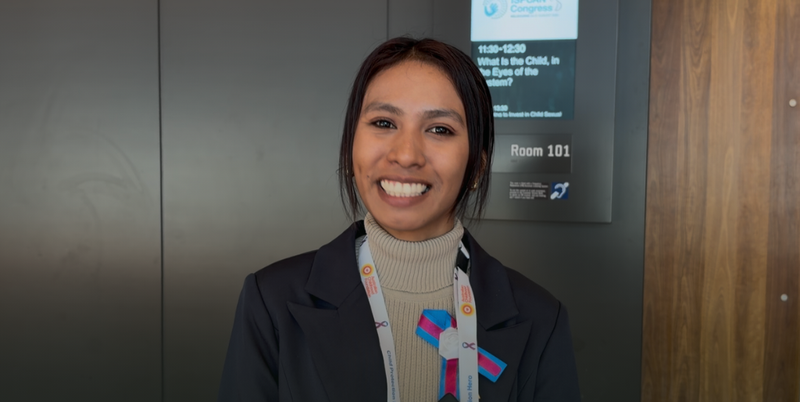
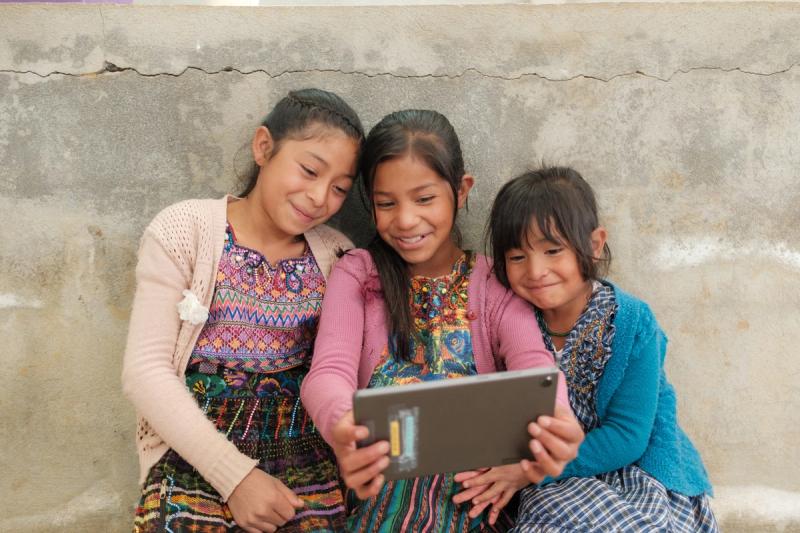
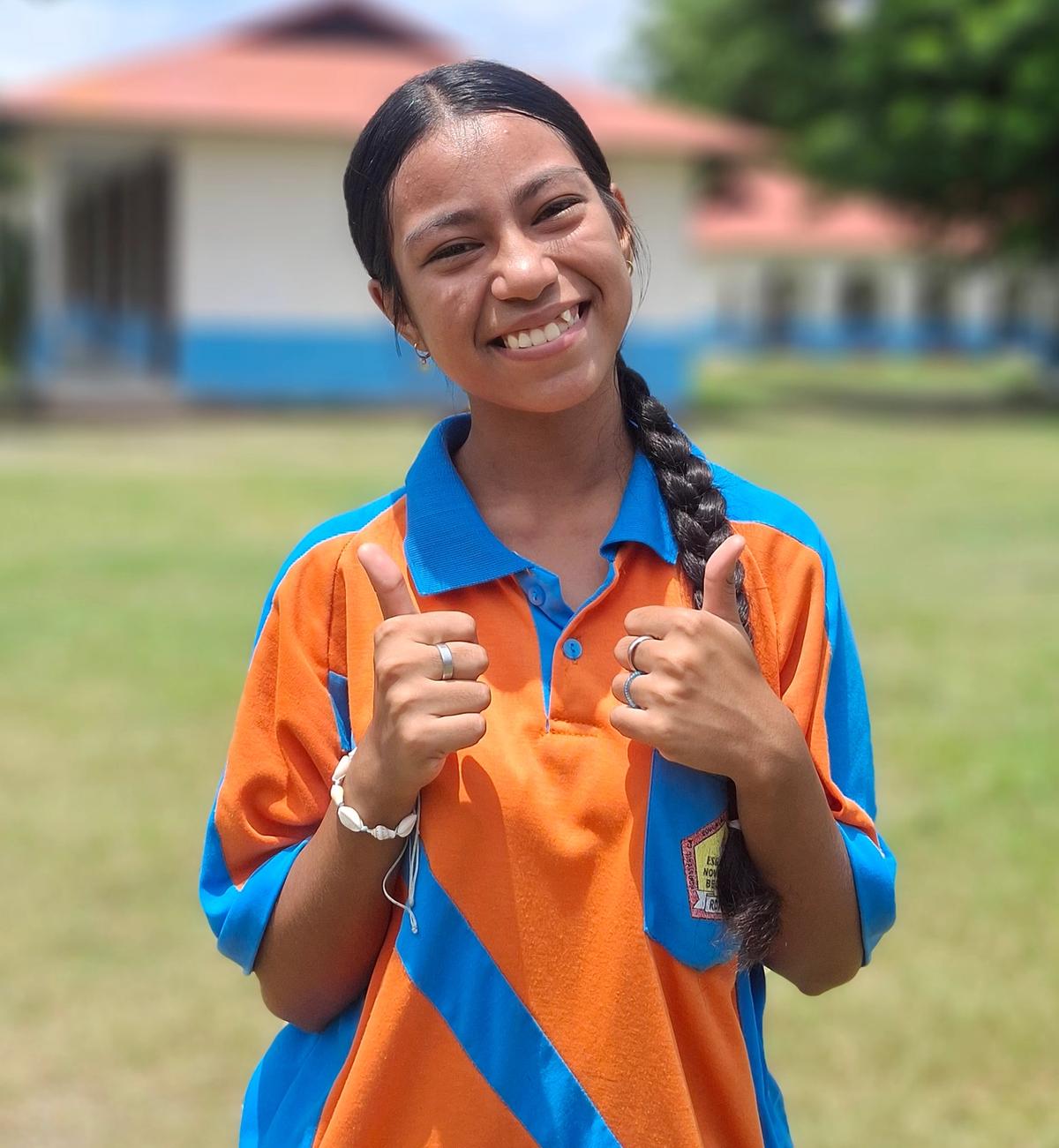
Maria*, 13, (pictured below) lives in Timor-Leste. She uses WhatsApp, TikTok, and Instagram every day to connect with friends and support her schoolwork. Access to the internet is growing rapidly in Timor-Leste, but connectivity can be unreliable and online safety resources are limited. Like many teens, Maria spends hours online and faces risks like cyberbullying, scams, and disinformation. Many parents don’t know how to guide children safely.
Through ChildFund’s Swipe Safe program, Maria and her classmates are learning how to spot risks, protect their privacy and navigate the internet with confidence. The curriculum focuses on interactive lessons, practical exercises and real-life examples led by trained facilitators. Students are already putting their learning into practice.
A lifeline that answers: how the 1 Tok helpline works in PNG
In Papua New Guinea (PNG), 1 Tok Kaunselin Helpim Lain is the country’s first and only national toll free 24/7 helpline. It has provided critical support for nearly a decade, and around one in five callers is a child or adolescent.
A helpline like 1 Tok is not just a phone number. When it is designed and supported well, it becomes part of the child protection system – a practical bridge between people experiencing harm and the services that can support them.
It provides a safe first step. For many people, especially when services are far away or stigma is high, calling a helpline can be the most accessible first contact. A toll free, always available service reduces barriers and offers a private way to reach out in moments when safety decisions can’t wait.
Helplines are most effective when they are linked to services that can act – and when referral pathways are clear, coordinated and safe. Strengthening these connections is core to building a functioning child protection system, so a call can lead to real support, not a dead end.
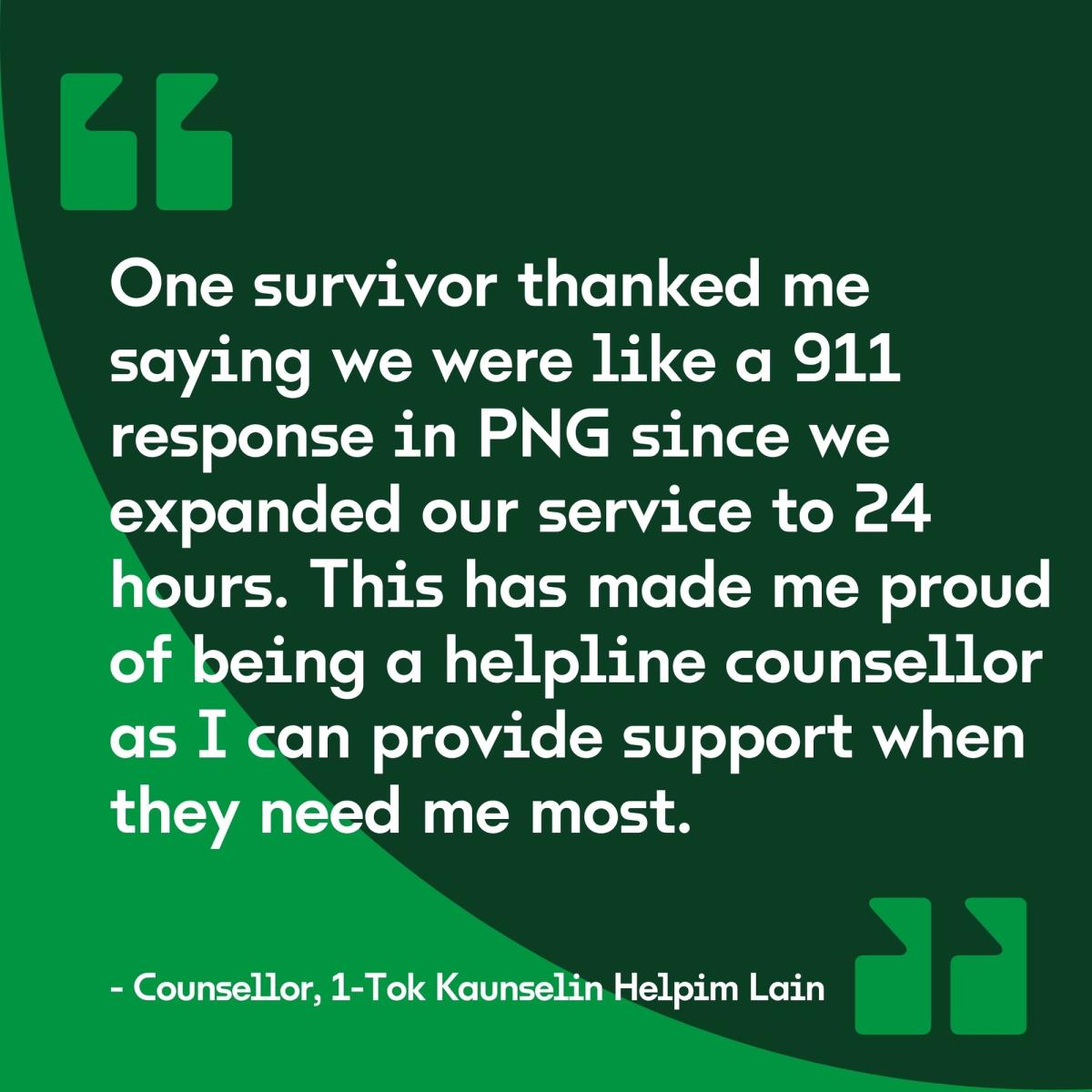
Importantly, responses like 1 Tok do not stand alone. They rely on people and partnerships: trained counsellors, connected services, community responders, and frontline practitioners – including teachers, health workers, police and social services –who can act on referrals and support children safely.
In PNG, 1 Tok is led by us in collaboration with the Papua New Guinea Government, with support from the Australian Government and the New Zealand Government. It shows what’s possible when protection is built into systems and made reachable – not only written into policy.
Alongside this, our Swipe Safe program builds children and young people’s knowledge, skills and critical thinking to navigate the digital world more safely, while also supporting parents, carers, teachers and frontline workers to recognise and respond to online harm. The bigger lesson is broader than any one program: prevention works when children have agency, adults have capability, and systems are strong enough to respond.
Ending violence
Action must start in childhood. The earlier we act, the greater the chance we have to prevent harm before it happens and change the systems that allow it to persist. Preventing violence early means recognising children and young people as victim survivors, and designing laws, services and funding that work for children – services built for children, not squeezed into adult systems.
Acting early protects children now and reduces violence later.
*Names have been changed to protect individuals’ identity
These projects are supported by the Australian Government through the Australian NGO Cooperation Program (ANCP).
To find out more about our work, please contact Sarah Hunt, Global Programs Director: SHunt@childfund.org.au