

Children in Gaza: Surviving Amid Crisis
6 November 2025
•By ChildFund Australia


Children in Gaza: Surviving Amid Crisis
When the ceasefire in Gaza was announced on 10 October 2025, there was a brief moment of relief – a fragile pause after two years of bombs, displacement and unimaginable loss. But for children who spent formative years in shelters instead of homes and for families who have lost so much, the danger and uncertainty are far from over.
Across Gaza, children wake each day in uncertain conditions, often without enough food, clean water or electricity. Families move from one temporary shelter to another in search of safety that remains out of reach. Many have been forced to move six times or more, trying to protect their children while navigating each day as best they can.
Schools, once havens of stability, laughter and growth, now lie in ruins. Nearly 92 per cent of school buildings have been destroyed or severely damaged, leaving over 650,000 children without formal education. Temporary learning spaces have replaced classrooms, and every day brings new challenges to continue their studies.
Even amid displacement and uncertainty, children in Gaza show remarkable resilience. But they shouldn’t have to. No one, especially a child, should face this level of danger or devastation. Families and communities cannot do it alone – they need support to stay safe and keep believing in a better tomorrow.
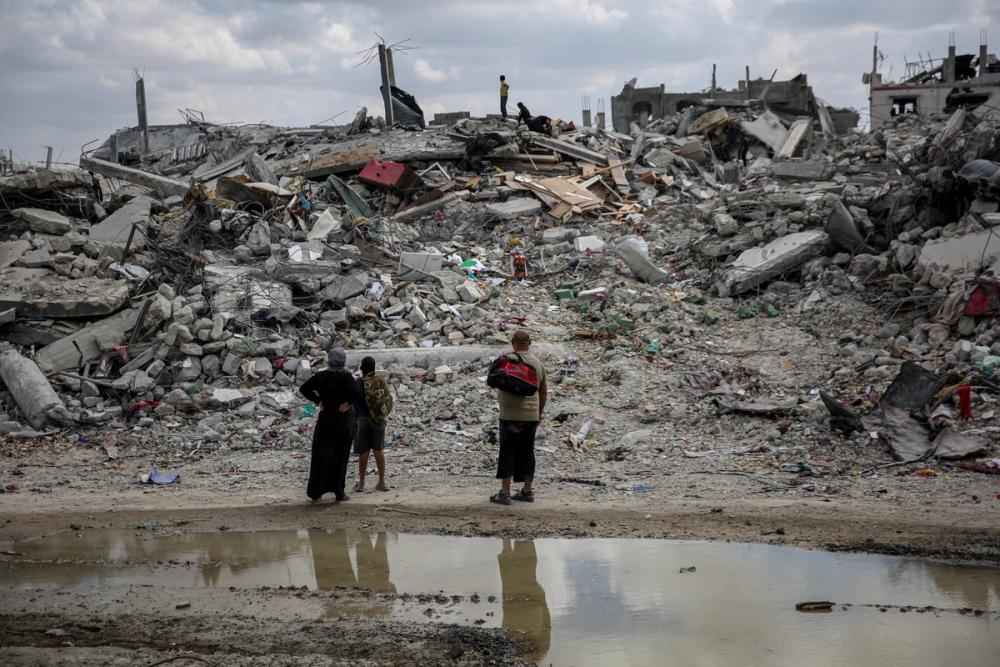
Starving children in Gaza: hunger, malnutrition and survival
Children in Gaza continue to face catastrophic conditions despite the October 2025 ceasefire. Most families now live in overcrowded, unsafe shelters with extremely limited access to water, hygiene and electricity. Hunger and disease have reached life-threatening levels. According to the World Health Organization (WHO), nearly 1 in 5 children in Gaza city are acutely malnourished.
Key humanitarian impacts, as reported by our partner WeWorld, include:
- Famine declared: More than half a million people affected; 119 children have died from malnutrition and all 320,000 children under five are at risk of acute malnutrition.
- Diarrheal disease surge: Cases jumped from 2,000 per month before the war to 5,000 per week, disproportionately affecting malnourished children.
- Severe injuries: WHO estimates 42,000 people live with life-altering injuries, including over 5,000 amputations, and 1 in 4 injured is a child.
- Psychological distress: Children face depression, sleep disorders and behavioral changes, with extremely limited access to rehabilitation or assistive devices.
- Child protection concerns: 93% of caregivers report aggressive behaviors among children and 86% report other signs of extreme distress.
Without enough food, clean water or electricity, children’s immediate health is at risk, and the long-term consequences are devastating: stunted growth, chronic health problems and lost developmental opportunities.
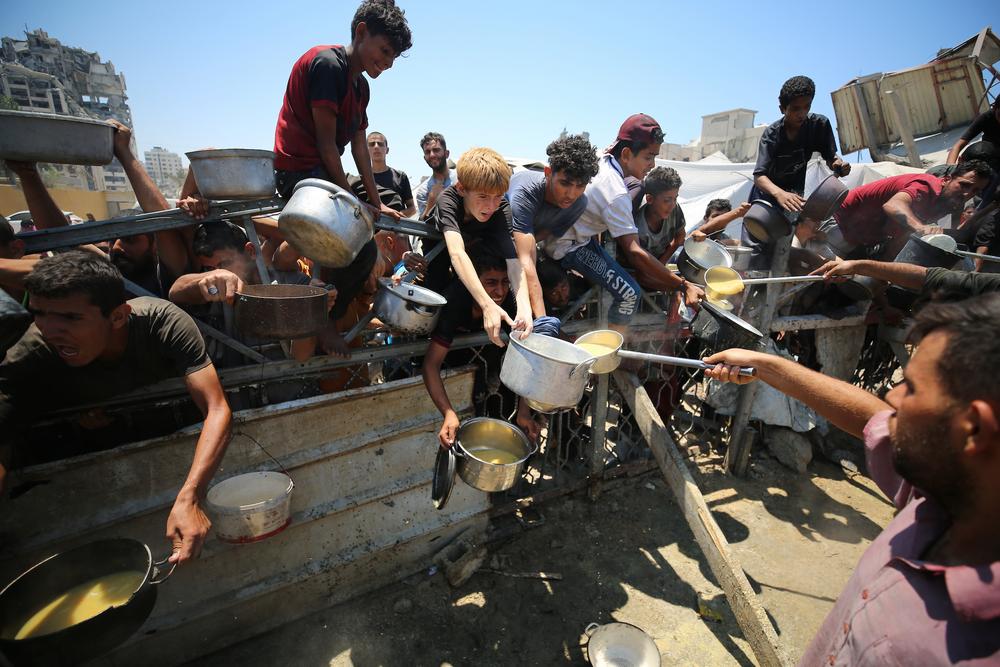
Children in Gaza: schooling, displacement and resilience
Children in Gaza are growing up amid destruction and constant upheaval. Key humanitarian impacts include:
- School destruction: According to a United Nations damage-assessment report, 97% of Gaza’s schools sustained some level of damage – including direct hits, likely damage, or partial destruction – leaving children with very limited access to education.
- Displacement: Many families have been forced to move multiple times, living in temporary shelters and facing continual disruption to daily life.
- Emotional and psychosocial impact: Formative years are being spent in overcrowded shelters rather than safe homes, and many children have witnessed trauma, loss and death.
- Resilience: Despite these challenges, children continue to learn where they can, dream of a brighter future, and show remarkable strength in the face of adversity.
Protecting children in Gaza: how ChildFund Australia and partners respond
Protecting children and their rights is central to our mission and drives every action we take. Even when we cannot be on the ground ourselves, we work with trusted organisations to reach children and families in the toughest circumstances, including those facing displacement, food insecurity, water shortages and damaged or destroyed homes.
One of our closest alliance partners is WeWorld, an Italian humanitarian and development organisation and member of the ChildFund Alliance. They have been operating in the West Bank since 1992 and Gaza since 1997, they understand the local context, have strong community connections and can deliver aid safely and effectively.
Since November 2023, they’ve been running a full-scale humanitarian response across Gaza, reaching over 500,000 people with life-saving support. Between September and October 2025, their work focused on Deir El Balah and Khan Younis, where many families have been displaced. A dedicated team of more than 200 staff, contracted workers and volunteers operate from two main offices and two warehouses, providing emergency relief, safe water, hygiene and sanitation, education and child protection – always putting children first.
In recent months, they’ve supplied more than a sixth of all water distributed by humanitarian organisations in Gaza. Following the ceasefire, their teams quickly reached newly accessible northern areas to deliver essential aid, including food, hygiene kits, clothing and temporary learning spaces, to families relocating from the south and central regions.
Working with trusted partners like WeWorld, we can strengthen support on the ground and extend our reach, helping communities recover after months or years of displacement.
Every act of support – whether it’s providing water, shelter or education – helps children stay safe, begin to heal and find hope, reminding them that they are not forgotten. Even in the toughest circumstances, children in Gaza continue to look toward the future.

Understanding child casualties in Gaza
The human toll on children in Gaza is staggering. Exact numbers are hard to verify, but reports from WeWorld and the World Health Organization (WHO) show that thousands of children have been killed, injured or are missing.
- WeWorld (Nov 2025): Highlights ongoing malnutrition, displacement and rising child casualties across Gaza.
- World Health Organization (Oct 2025): Estimates nearly 42,000 people in Gaza live with life-changing injuries – with one in four of those injured being children.
These are minimum estimates, as many deaths and injuries go unrecorded due to destroyed infrastructure and limited humanitarian access.
Behind the figures are children who have lost their lives, suffered permanent injuries or been separated from families. Homes, schools and neighbourhoods have been destroyed, uprooting children from their daily lives and forcing families into repeated displacement. Thousands more continue to live amid trauma, fear and disruption, highlighting the urgent need for sustained support and humanitarian aid.
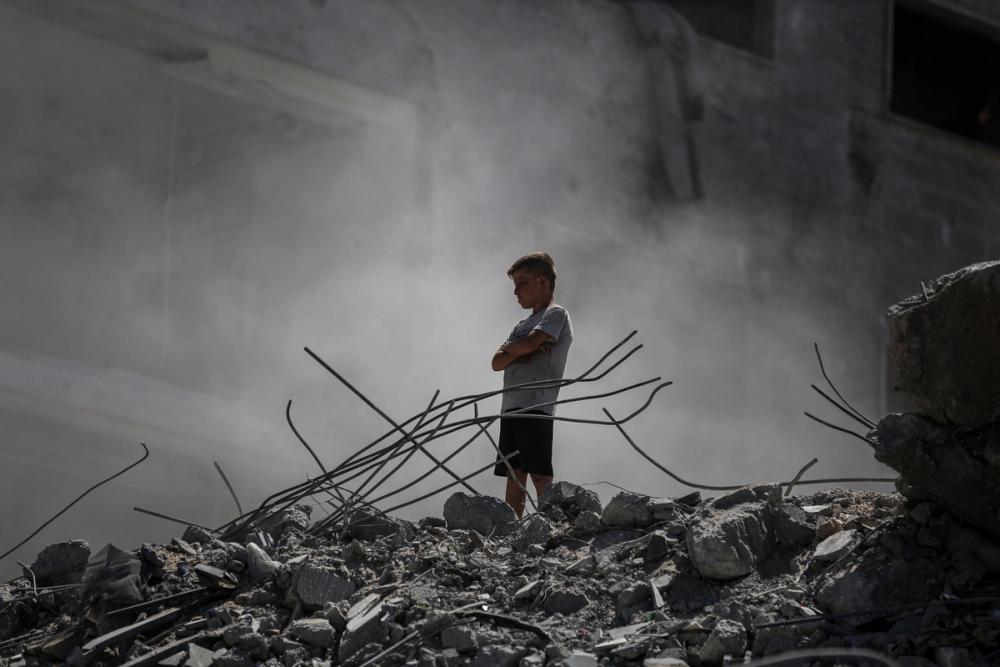
What must be done for children in Gaza?
The future of Gaza’s children depends on sustained support, protection of rights and long-term recovery. Urgent action is needed to ensure they can grow up healthy, educated and safe.
Key priorities include:
- Ensuring humanitarian access and unimpeded aid: According to WeWorld, ongoing conflict and restricted access continue to push Gaza’s children to the brink, leaving many without essential food, medicine and protection.
- Re-establishing safe schooling and psychosocial support: Damaged schools and homes must be rebuilt and children need access to education and mental health support to recover from trauma.
- Food security and basic services: Nutrition programmes, safe water infrastructure and reliable electricity are critical to protect children’s health and development.
- Long-term recovery: Beyond immediate relief, children need stable opportunities for education, safety and growth to rebuild their lives and communities.
By addressing both immediate humanitarian needs and long-term development, the international community and local partners like WeWorld can help give Gaza’s children a chance at a safer, brighter future.
How you can help children in Gaza
Sustained support is essential to prevent the crisis from worsening. Together with our partners, we remain committed to helping children and families in Gaza stay safe, healthy and protected. And once conditions allow, we will continue to be there – and stay there – to help them rebuild and recover.
No child should face hunger, displacement or fear alone. You can make a difference: stand with children in Gaza and give them hope.