

International Day of Education
23 January 2026
•By ChildFund Australia

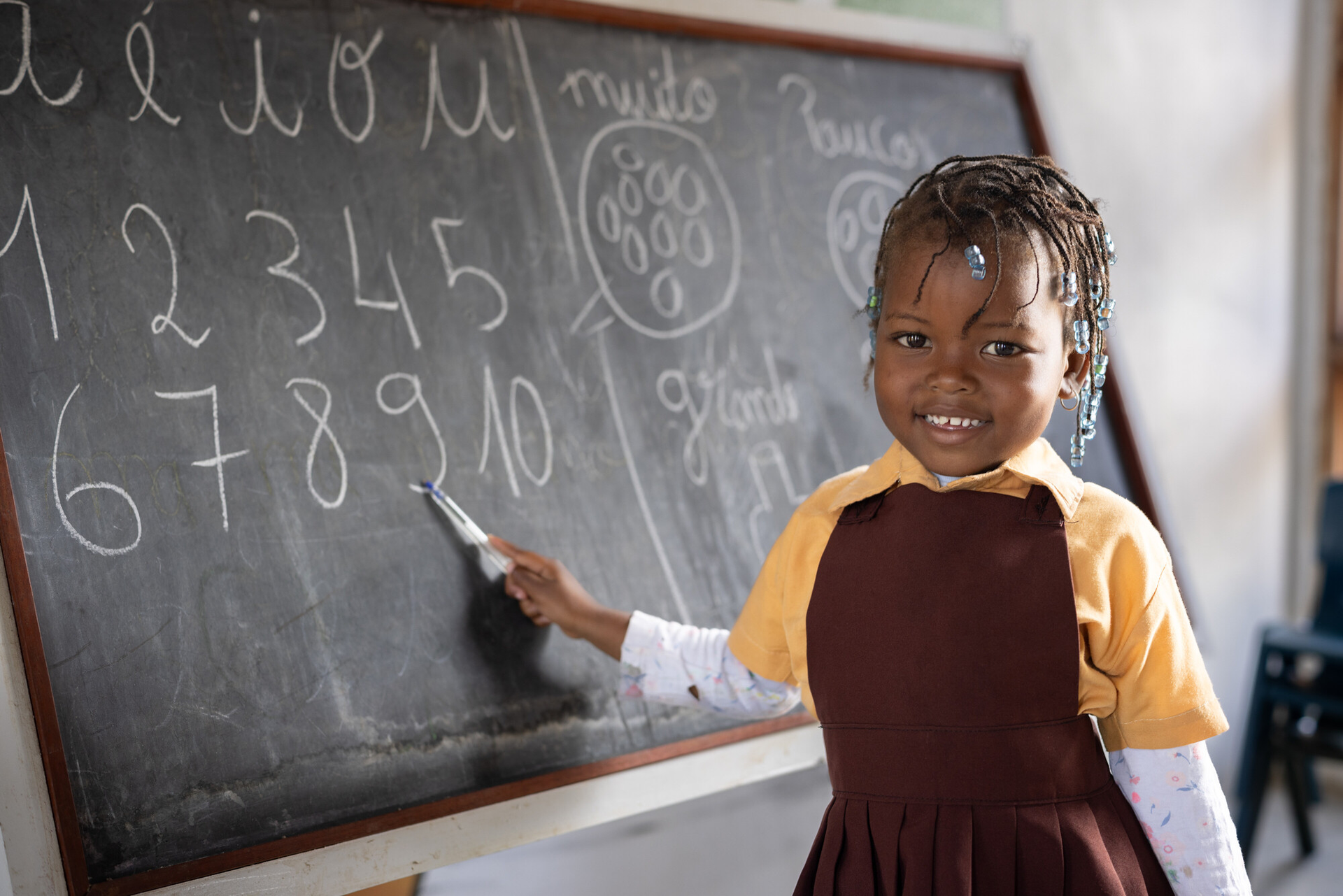
Education is their Right.
Education is still out of reach for millions around the world. According to a recent report by UNESCO, 272 million children are still out of school, 739 million youth and adults still lack basic literacy skills, and 44 million additional teachers are needed by 2030. These numbers represent a global crisis that demands urgent action.
International Day of Education 2026 highlights the critical need to tackle this challenge head-on. It’s not just about individual efforts – it’s about transforming entire systems and breaking down the barriers that prevent access to education. As Malala Yousafzai said, “One child, one teacher, one book, one pen can change the world.”
What is International Day of Education?
Celebrated annually on 24 January, the International Day of Education recognises education as a fundamental human right and a key driver of sustainable development. Proclaimed by the United Nations in 2018, the day promotes inclusive, equitable and quality education for all.
Education transforms lives by:
- helping children escape the cycle of poverty
- advancing gender equality
- fostering peaceful and resilient societies
Yet millions of children are still denied education due to poverty, child labour, early marriage, conflict and school closures during times of war or unrest.
Why is International Day of Education important?
International Day of Education is a time to reflect on why access to quality education matters. When children attend school and stay engaged in learning, they gain more than academic skills. Education empowers children to find their voice, make decisions, and actively shape their homes, schools and communities.
The day also raises awareness of the barriers children face and encourages governments, schools and communities to tackle the global learning crisis while promoting solutions so every child has access to safe, inclusive and high-quality learning environments.
What is the theme of International Day of Education 2026?
The theme of International Day of Education 2026 is “The Power of Youth in Co‑Creating Education”. It highlights children and young people as active partners in shaping the learning systems that affect their lives.
Education is not something done to young people – it is something built with them. In Vietnam, teens and teachers are working together in ChildFund-supported health and wellbeing programs. These programs help young people understand puberty and reproductive health, giving them the confidence to discuss their changing bodies openly with adults.
International Day of Education 2026 calls for:
- global mobilisation
- strong commitments
- initiatives that prioritise education by investing in quality learning and the people behind it
Quality education equips young learners with the knowledge, values, attitudes, skills and behaviours they need to become agents of change. When children are given space to share their ideas and aspirations, they are inspired to think critically and act responsibly in an ever-changing world.
Global initiatives addressing educational challenges
Here are key areas where action is driving real change:
Education for girls
Millions of girls are denied education due to gender discrimination, child marriage, and cultural norms. Removing these barriers helps girls attend school and complete their studies. Education empowers girls to become leaders, entrepreneurs, and advocates while strengthening communities, driving economic growth, and reducing poverty.
Global leadership organisations like Girl Up are working to break down these barriers, and ChildFund supports girls at risk of early marriage through education programs that provide learning opportunities and community support. By working with families and training local communities, these programs create safe, supportive environments where girls can continue their education and actively participate in shaping their futures.
Access to early childhood education
Early learning is critical to a child’s cognitive, emotional and social development, yet millions of children in low-income regions miss out. Initiatives like the Global Partnership for Education focus on expanding access to quality early childhood education, laying the foundation for lifelong learning, academic success and personal growth.
Breaking the cycle of poverty
Education is key to breaking the cycle of poverty. It is every child’s right and the foundation for opportunity, giving children the skills and knowledge to build better futures while helping families and communities overcome long-term economic challenges.
Promoting education in emergencies
Climate disasters, conflict and displacement often disrupt schooling. Programs such as Education Cannot Wait provide continued education in emergency settings, offering stability, safety and a pathway for children to continue learning even during crises. ChildFund actively supports children in these situations, including those living in refugee camps or conflict zones, by working with local partners and communities to set up temporary classrooms and deliver learning materials so kids can keep up with their studies and continue developing their skills.
What does inclusive, equitable and quality education look like?
Millions of children still lack access to the education they deserve. In Sub-Saharan Africa, schools often lack basic resources such as water, electricity and internet. In other areas, classrooms may be well-resourced but lack trained teachers and girls are still excluded from learning.
The United Nations’ Sustainable Development Goal 4 sets a bold plan to ensure every child has access to inclusive, equitable and quality education by 2030. Key targets include:
- free primary and secondary education
- eliminating discrimination in education
- equal access to early childhood education
- building safe and inclusive schools
- increasing the number of qualified teachers in developing countries
How you can get involved with International Education Day activities
International Day of Education is more than a reminder – it’s a call to action. You can help by:
- Amplifying the message on social media: Share facts and stories using hashtags like #InternationalDayOfEducation.
- Starting conversations: Talk about the importance of education with friends, family and colleagues.
- Organising local events: Fundraisers, awareness campaigns, or gatherings can spark community support.
- Donating to organisations: Help children in poverty or conflict-affected areas access quality education. ChildFund programs provide early childhood education, school construction and renovation, classroom equipment, and teacher training.
- Gifts for Good: Donate essentials like school supplies set and tablets and computers to improve the learning experience of children who need it most.
- Monthly giving: Ongoing support helps children continuously access education, creating lasting impact.
How your donation makes a difference
Donations support children in poverty and crisis-affected areas to overcome barriers to learning. In countries like Cambodia, Timor-Leste and Vietnam, ChildFund initiatives have improved school facilities, strengthened teaching practices and supported children’s independence and wellbeing.