
Child hunger: causes, effects and impact on child development
12 May 2026


Hunger isn’t always visible
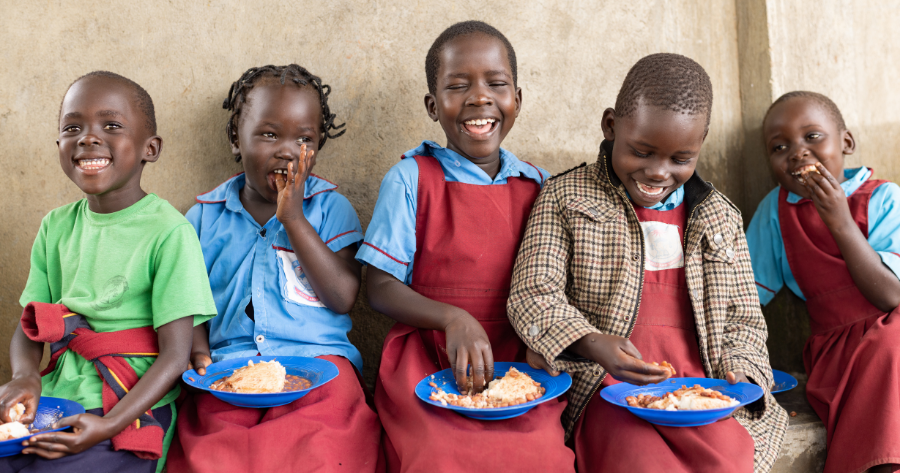
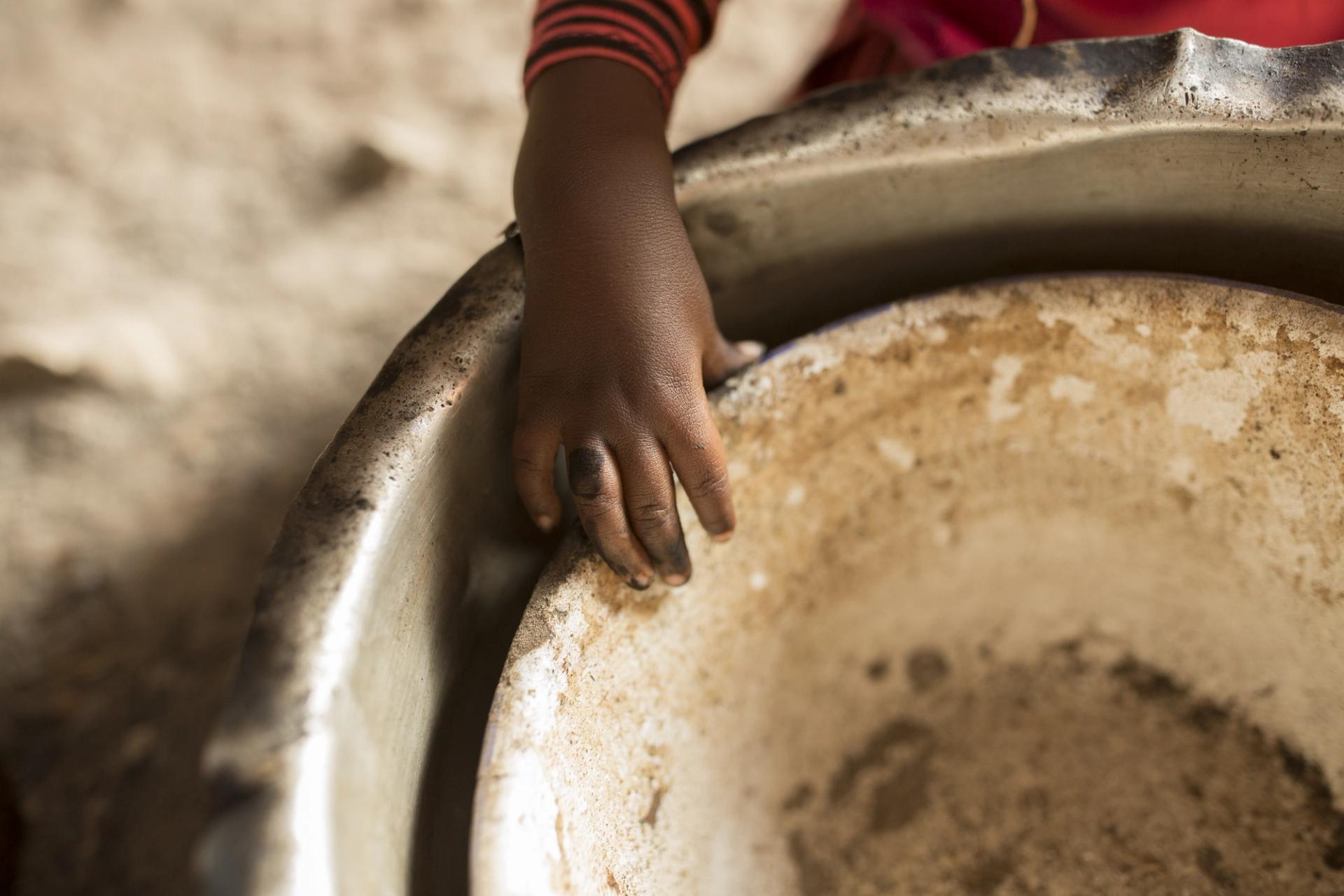
A child can eat breakfast and still go to school hungry.
Child hunger is not always an empty plate. It can mean a child sitting in class, trying to concentrate while their body feels tired, distracted and undernourished. Many children are not going without food entirely, but without consistent access to the nutritious diets they need for healthy growth and development.
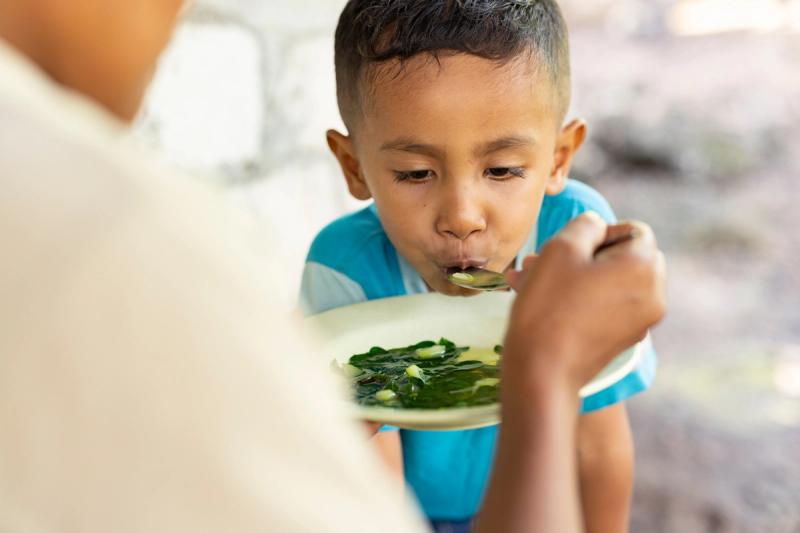
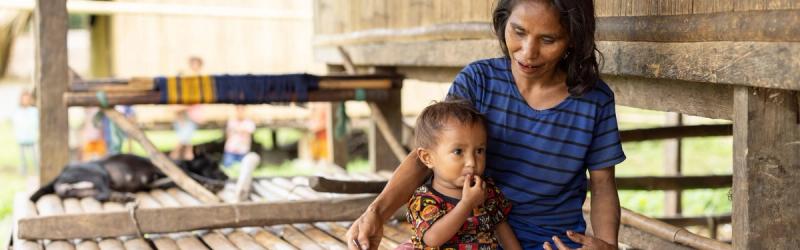
In northern Kenya, families may skip meals during prolonged droughts. In parts of Papua New Guinea and Timor-Leste, remote communities can be cut off from markets when roads are damaged, supply chains fail or families don’t have gardens or enough income to buy food. In both cases, children still go to school, but hunger affects their ability to learn, focus and participate.
Child hunger is one of the most persistent barriers to breaking the cycle of poverty. It affects children physically, emotionally and socially, with impacts that can last into adulthood.
What is child hunger?
Child hunger is when children do not have regular access to enough safe and nutritious food to support healthy growth and development. It is closely linked to child poverty, food insecurity and poor diet quality.
Child hunger is not only about food availability. It is also about whether children have consistent access to diverse, nutrient-rich diets that support growth and development over time.
Difference between hunger, malnutrition and undernutrition
These terms are closely related but describe different aspects of child hunger and nutrition.
- Child hunger refers to the immediate experience of not having enough food to eat. It is often linked to household poverty, conflict, climate shocks and rising food prices.
- Malnutrition, as defined by the World Health Organization (WHO), refers to deficiencies, excesses or imbalances in a person’s intake of energy and nutrients. It includes both undernutrition and overnutrition.
- Undernutrition is a form of malnutrition that results from insufficient intake of energy or nutrients. It includes stunting, wasting and underweight, and is a major driver of illness and preventable death in children.
In summary:
- Hunger is the immediate lack of food
- Undernutrition is the physical impact of prolonged insufficient nutrition
- Malnutrition is the full spectrum, including too little, too much, or imbalanced nutrition
A child may not appear visibly hungry and still be malnourished. They may feel full but still lack the nutrients needed for brain development, immunity and healthy growth. This is why child hunger is increasingly understood as both a food access issue and a nutrition quality issue.
Causes of child hunger
Child hunger is rarely caused by a single factor. It is usually the result of multiple overlapping drivers that reinforce each other over time.
The main causes of child hunger include:
- Poverty: Families may have income, but not enough stability to consistently afford nutritious food, healthcare or schooling.
- Climate change: Droughts, floods and extreme weather events reduce agricultural productivity and disrupt food systems. In some regions, a single failed harvest can affect food security for an entire year.
- Conflict and displacement: Conflict disrupts farming, trade and access to services, forcing families into unstable living conditions where food access becomes unpredictable.
- Rising food prices: Even when food is available in markets, price increases can push basic nutrition out of reach for low-income households.
These factors often combine, creating cycles of child food insecurity that are persistent rather than temporary.
Effects of child hunger on children’s development
Child hunger has serious short-term and long-term effects, particularly when it occurs in early childhood.
Physical effects of child hunger
Undernutrition can lead to stunting, where children do not reach their full physical growth potential. It also weakens the immune system, increasing vulnerability to illness and slowing recovery times. The effects can last well into adulthood, increasing the risk of chronic health conditions and affecting long-term wellbeing.
How child hunger affects brain development
Nutrition plays a critical role in early brain development. The effects of child hunger on the brain can include reduced concentration, memory challenges and slower cognitive development.
These impacts are most significant in early childhood, when the brain is highly sensitive to nutrition. Children may appear tired, withdrawn or disengaged in class, particularly if they have not eaten before school.
How child hunger affects education and learning
Child hunger directly affects education outcomes. Children who go to school hungry often struggle to focus, participate or retain information. Over time, this can lead to learning gaps, lower school attendance and an increased risk of dropping out.
Long-term effects of child hunger
The long-term effects of child hunger include lower educational attainment, reduced income potential and poorer health outcomes in adulthood. These outcomes can reinforce cycles of poverty across generations.
Importance of nutrition in child growth and development
Good nutrition is essential for child growth, brain development and learning. It is a foundation for both health and opportunity.
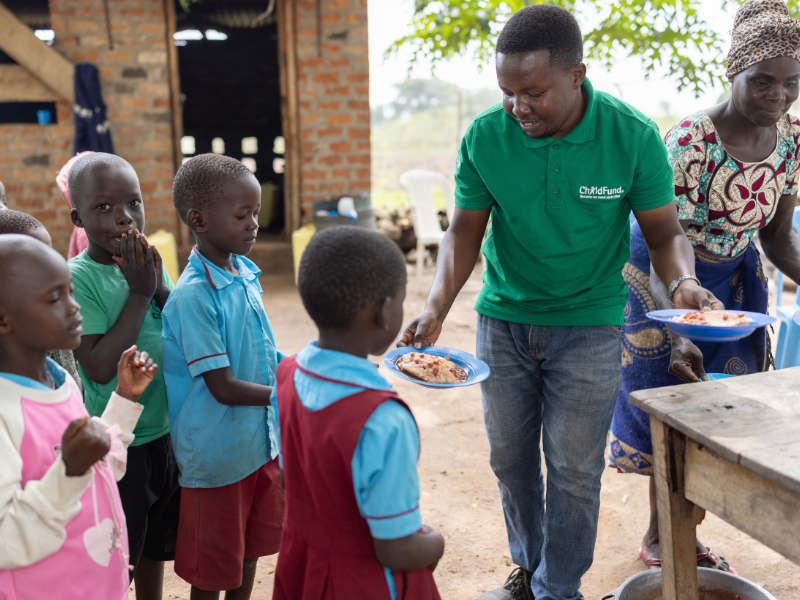
In Cambodia, children in early learning centres may receive daily meals that support concentration and participation. In Ethiopia, mothers may attend nutrition education groups that improve child feeding practices using locally available foods.
ChildFund Australia works with communities to improve child nutrition and food security through practical, locally led programs.
These include:
- Early childhood nutrition and parenting support groups
- Training farmers to grow diverse and nutrient-rich crops
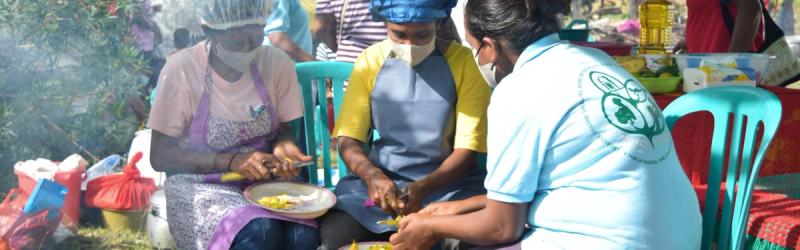
- School gardens that support food access and nutrition education
These approaches help reduce child hunger while strengthening long-term food security and resilience.
Emergency response to child hunger in crises
During droughts, floods or conflict, child hunger can escalate quickly. However, the impact is often shaped not only by the crisis itself, but by how long families have already been experiencing food insecurity.
In East Africa, prolonged drought can leave families surviving on limited meals for weeks. In Pacific communities, disasters can disrupt access to food supplies and markets entirely.
ChildFund Australia provides emergency nutrition support to help protect children during these periods. This includes:
- Therapeutic foods for children with acute malnutrition (specially formulated nutrient-rich foods, such as ready-to-use peanut-based pastes, that help children quickly regain strength and recover)
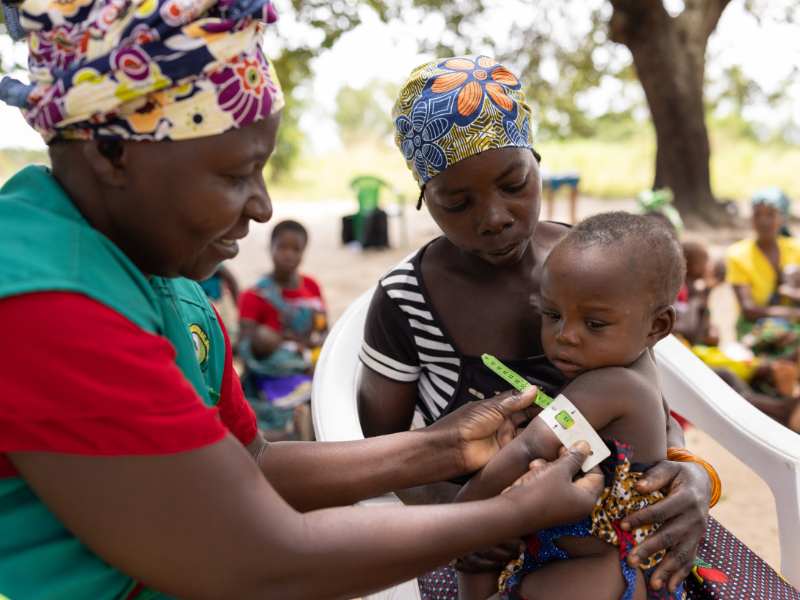
- Nutrition screenings to identify at-risk children early
- Community feeding programs providing immediate food support
According to WHO, wasting (a term used to describe when a child is too thin for their height, usually because they haven’t had enough to eat or have been unwell and unable to recover properly) is a serious form of malnutrition and significantly increases the risk of child mortality if not treated early. Early intervention is critical to prevent severe health outcomes and support recovery.
Global efforts to end child hunger
Ending child hunger is a priority under under the Sustainable Development Goals (SDGs), particularly SDG 2: Zero Hunger. Progress requires both emergency response and long-term investment in food systems, healthcare and education.
Despite global progress in some areas, millions of children continue to experience stunting and wasting each year. ChildFund Australia is part of this global effort, working with communities to strengthen nutrition, improve livelihoods and support long-term child development.
How you can help address child hunger
Child hunger is complex, but it is not inevitable.
With sustained, locally led support, children can access nutritious food, stay in school and build stronger futures. This means emergency nutrition when it’s needed most, and long-term solutions that address what drives hunger in the first place.