
Child exploitation explained & how to stop it
11 June 2026

Preventing child exploitation
Millions of children worldwide experience serious violations of their rights every day. Child exploitation can strip children of education, safety, and the chance to grow up healthy and protected.
Despite global efforts to strengthen child protection, millions of children continue to face exploitation in many forms, including trafficking, child labour, child marriage, and online abuse. Behind every statistic is a child whose childhood – and sense of safety, trust, and opportunity – has been taken away.
Child exploitation is not a distant or abstract issue. It is a pressing global human rights crisis affecting children in every region. It denies children their rights to education, protection, wellbeing, and a safe future, while continuing to limit the potential of millions each day.
At ChildFund Australia, we believe that every child should experience a childhood in which they are nurtured, protected and given access to opportunity. Through our child protection programs, we work in close partnership with national governments, civil society and local communities to raise awareness of child protection issues and put in place the practical, on-the-ground measures that keep children safe from harm.
Here are some of the ways we protect children from exploitation:
- Provide support to strengthen community and national child protection systems so children experiencing violence can access protection, support services and safety.
- Work with local partners during humanitarian emergencies and protracted crises to help protect children from exploitation in its many forms such as forced marriage, child labour and sexual exploitation.
- Build digital literacy with children, young people, caregivers and educators to improve online safety and reduce risks of online exploitation.
Keep reading to learn more about child exploitation, what it includes, and how ChildFund Australia and our local partners are addressing key threats to children’s safety, including early marriage, child labour and online child exploitation.
What is child exploitation?
In simple terms, exploitation occurs when someone takes advantage of another person for their own benefit.
The right of children to be protected from exploitation is set out in the UN Convention on the Rights of the Child (UNCRC), of which Australia has agreed to and formally adopted.
Article 36 of the UNCRC defines child exploitation as any form of exploitation that harms a child’s welfare, including situations where a child is abused or taken advantage of. The legal definition of exploitation is intentionally broad to reflect the many forms of violence that can affect children.
Types of child exploitation
Child exploitation is a multi-faceted issue that includes practices such as:
Child labour exploitation
Child labour is work that takes away a child’s rights, safety and childhood, and harms their physical and mental wellbeing.
Many children do some work that is safe and appropriate for their age, such as helping at home or doing holiday jobs. When it is safe and does not get in the way of school, it can support learning and development.
But child labour causes such as poverty, displacement and violence can force children into dangerous and exploitative work. This can include long hours in unsafe conditions, with little or no pay, often in places like factories or informal jobs.
Nearly 138 million children were in child labour in 2024, including around 54 million in hazardous work that may harm their health, safety or development.
Child trafficking
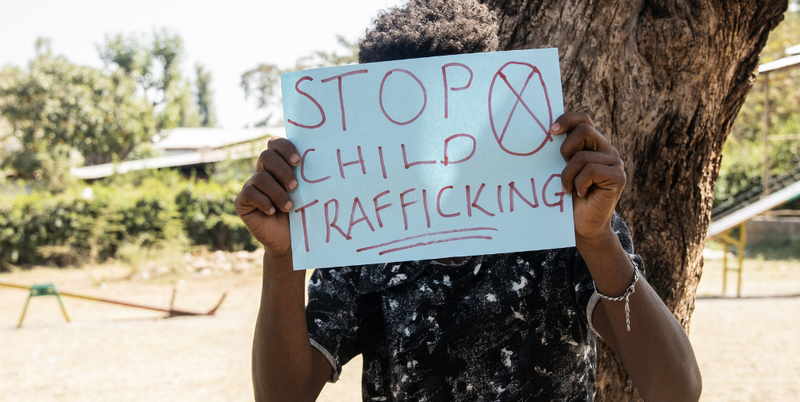
Child trafficking (part of human trafficking) is the recruitment, transportation or receipt of children for the purpose of exploitation.
It occurs in every region of the world and remains a persistent global child protection concern. According to the UNODC Global Report on Trafficking in Persons (2024/2025 update), children account for approximately 1 in 3 detected trafficking victims globally, with girls disproportionately affected.
Both boys and girls are vulnerable to trafficking for forced labour, sexual exploitation and recruitment into armed groups. However, girls are more frequently targeted for sexual exploitation and forced marriage, reflecting entrenched gender inequality and economic vulnerability.
Trafficking is driven by intersecting factors including poverty, weak child protection systems, conflict and displacement. Children are often moved across borders or within countries under deception, coercion or abuse of power, making detection and protection extremely challenging.
Child online exploitation
Child online exploitation is defined as the use of digital technology – such as social media, messaging apps, online games and websites – to sexually abuse or exploit a child.
As technology becomes an increasingly important part of children's lives, the risk of online child sexual exploitation continues to grow. This can include grooming, blackmail, coercion, live-streamed abuse and the creation or sharing of child sexual abuse material.
Reports show that the volume of child sexual abuse material has increased by 87% in the last five years, while research from the ChildLight Global Child Safety Institute estimates that more than 300 million children each year experience technology-facilitated sexual exploitation and abuse. This highlights the urgent need for action from governments, technology companies, communities and families to help keep children safe online.
The scale and sophistication of online child sexual exploitation is also accelerating and outpacing global safeguards, driven by rapidly evolving digital technologies like AI.
Early and forced marriage
Early and forced marriage (sometimes referred to as child marriage) is a formal or informal union where at least one party is under the age of 18. It is a form of exploitation and a violation of children's rights under the UNCRC.
For millions of girls, childhood ends far too early – not with education or opportunity, but with a marriage they did not choose.
An estimated 12 million girls are married before the age of 18 each year, and approximately 640 million women and girls alive today were married in childhood. Prevalence remains highest in contexts shaped by poverty, gender inequality and social instability.
The consequences are severe and lifelong. Children who experience early and forced marriage are more likely to leave school, face domestic violence, experience early pregnancy complications, become socially isolated and remain economically dependent.
Early and forced marriage is driven by factors such as poverty, gender inequality and harmful social norms. In some contexts, families may view marriage as a way to reduce financial pressure or provide perceived protection, despite the significant harm it causes and its violation of international human rights standards.
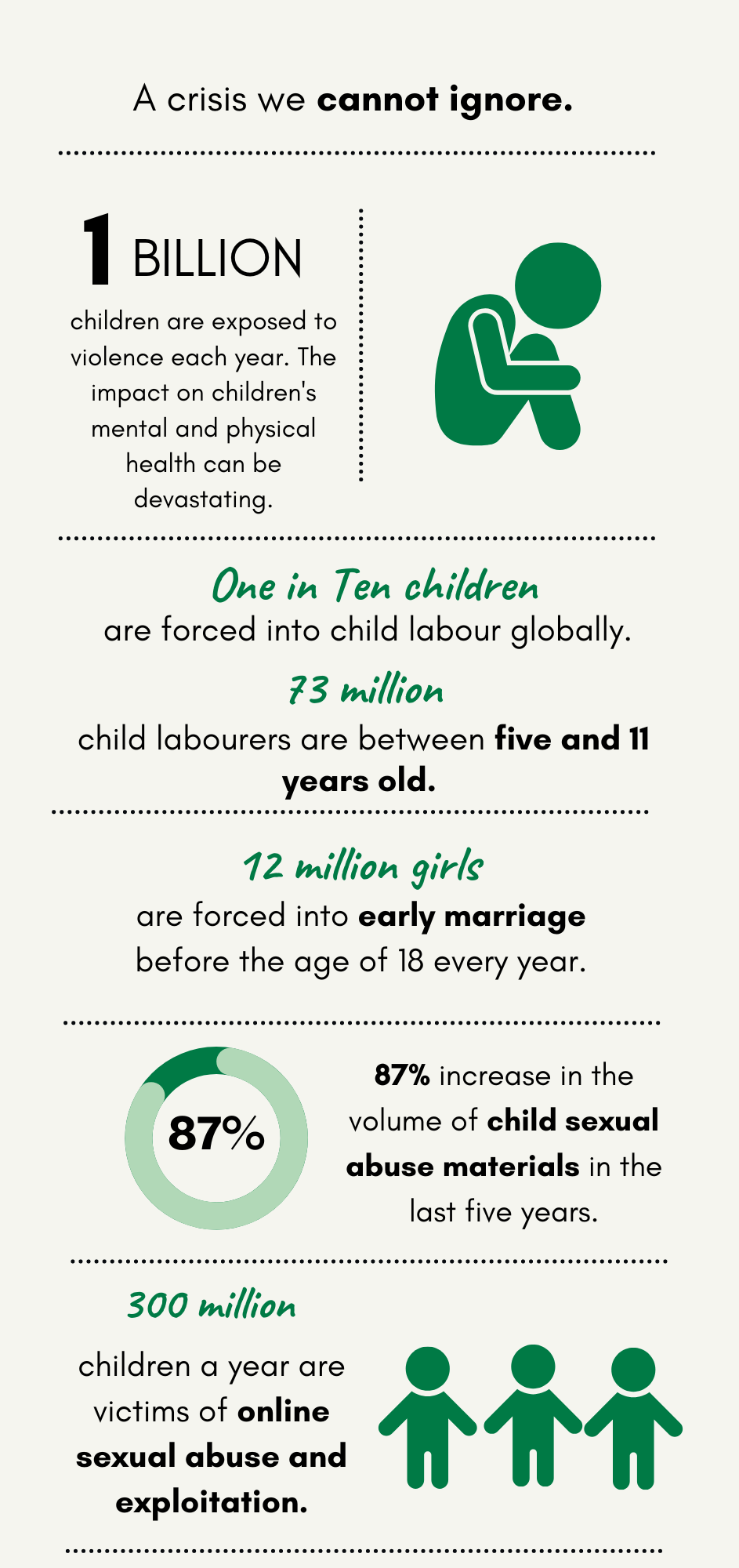
All forms of child exploitation can have serious and lasting impacts on children’s wellbeing, development and rights. Preventing child exploitation helps ensure every child has the opportunity to grow up safe, protected and able to reach their full potential.
Child exploitation statistics
Child exploitation remains a widespread global issue affecting millions of children across every region.
Key global estimates include:
- 138 million children are engaged in child labour worldwide (UN)
- 38% of all human trafficking victims are children, and around two in three are girls (UNODC)
- 12 million girls are married before the age of 18 each year (Girls Not Brides)
- More than 473 million children live in areas affected by conflict, increasing their risk of violence and exploitation (UNICEF/UN)
- Hundreds of thousands of cases of child sexual abuse material are identified annually, highlighting the scale of online harm (IWF Annual Report 2025)
- Millions of children are affected by technology facilitated sexual exploitation and abuse each year (ChildLight Global Child Safety Institute)
These figures show that child exploitation is not isolated or rare – it is a large scale global issue affecting children in both physical and digital environments.
What makes a child vulnerable to exploitation?
A range of interconnected factors can increase a child’s risk of exploitation, including poverty, harmful gender norms, adverse childhood experiences (such as trauma, conflict and displacement), family-related challenges (such as parental illness or addiction), and disability or neurodiversity.
Poverty
Poverty is one of the strongest child exploitation causes. When families face severe financial pressure and lack access to safety nets, children become more vulnerable to exploitation, including child labour and early marriage.
In many cases, this is driven by desperation rather than intent, as families are forced to make difficult decisions to survive.
Weak or under-resourced child protection systems can further increase risk. This makes system-level strengthening just as important as individual support.
ChildFund Australia works with partners across Cambodia, Papua New Guinea, Solomon Islands, Timor-Leste, Vietnam and Bangladesh to strengthen child protection systems so children can access support when they need it.
Harmful gender norms
Harmful gender norms are one of the biggest child exploitation causes and sit at the heart of wider gender inequality risks. They shape who gets opportunities, who gets protected and who is most exposed to harm.
When girls grow up in environments shaped by discrimination and unequal power, their choices can be limited from an early age. This can mean less access to education, less say in decisions about their own lives and greater exposure to violence and exploitation. These risks are often reinforced by the normalisation of gender-based violence, unequal access to resources and exclusion from decision-making at home and in the community.
One of the most visible impacts is child marriage, with 12 million girls married before the age of 18 each year (Girls Not Brides). This often forces them to leave school early and cuts short their childhoods, increasing risks of violence, affecting health and limiting future opportunities.
These impacts don’t stop with one child. They ripple outward – shaping families, communities and future generations and keeping cycles of inequality in place.
Disability and neurodiversity
Children with disability or neurodivergence can face increased vulnerability to exploitation, including online abuse.
Research from the Internet Watch Foundation shows that children with speech or learning difficulties are three times more likely to be manipulated into sharing sexual images online.
Barriers to communication, social isolation and difficulty identifying grooming behaviour can all increase risk, particularly in digital environments where exploitation can be harder to detect.
Strengthening online safety education, trusted reporting pathways and accessible support systems is essential to protecting children in high-risk groups.
Conflict and displacement
Children living in conflict-affected and displaced settings face significantly higher risk of exploitation, including trafficking and child labour.
In unstable environments where schooling is disrupted and livelihoods collapse, exploitation can become a survival strategy for families under extreme pressure.
In places such as Gaza and other active conflict zones across the Middle East, ongoing violence and repeated displacement have severely disrupted education and access to basic services, leaving children at heightened risk of exploitation and child labour.
In refugee-hosting regions such as Cox’s Bazar in Bangladesh, children in large-scale displacement settings continue to face risks including child labour, gender-based violence and early marriage.
ChildFund works with local partners, including Educo, to support child-friendly spaces where children can learn, play and reconnect with a sense of safety. These spaces also help children understand their rights and recognise protection risks such as child labour.
New technologies
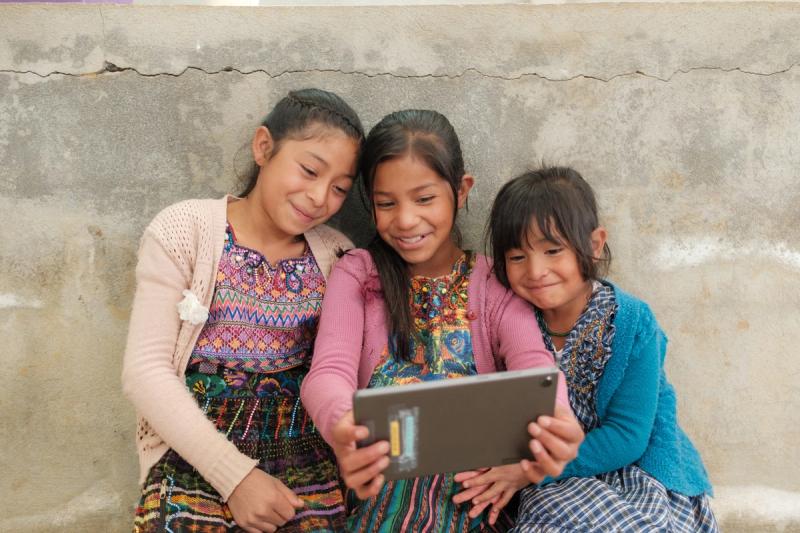
The internet has transformed how children learn, connect and communicate, creating major opportunities for education and creativity. But it also exposes children to risks in digital spaces, including social media, gaming and messaging platforms.
Online risks can include child sexual exploitation and abuse, economic exploitation, sextortion and trafficking.
As digital environments evolve quickly, online safety risks are also changing faster than many governments, schools and communities can respond.
Research by ChildFund Australia in the Pacific and South-East Asia shows that while many children feel confident online, they may lack the skills to recognise or respond to risks.
ChildFund Australia prioritises online safety through its Swipe Safe program and app, helping children, families and communities build digital literacy and stay safer online.
Tackling child exploitation together
Ending child exploitation requires collective action, and everyone has a role in protecting children from violence, abuse and exploitation. If you suspect a child may be experiencing online harm or exploitation, the eSafety Commissioner website provides clear guidance on how to recognise serious online abuse and the steps you can take to report it.