

World Tuberculosis Day
23 March 2026
•By ChildFund Australia

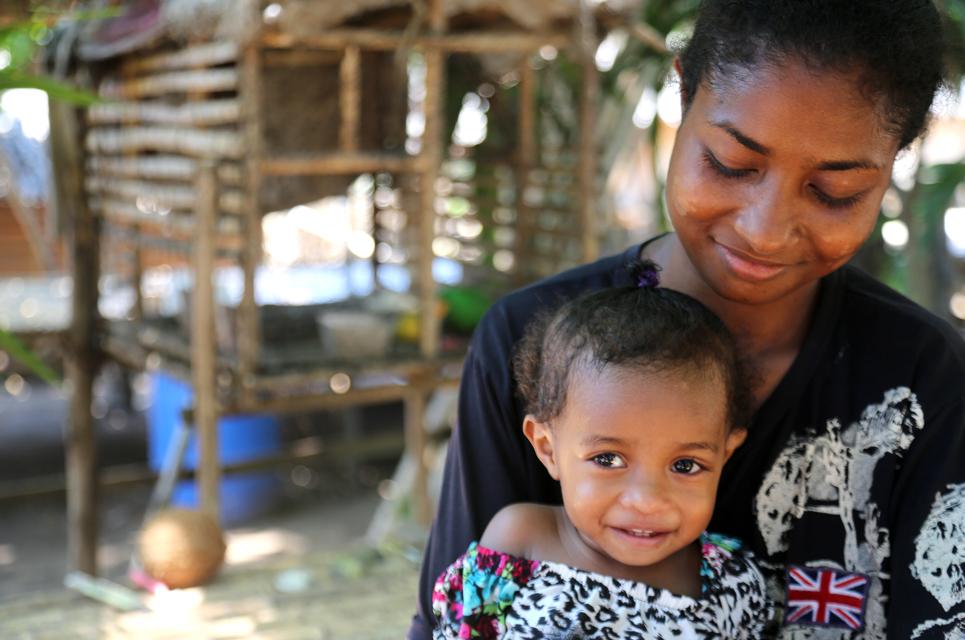
Bringing TB care to children and families in PNG
Today is World Tuberculosis (TB) Day. Each year, ChildFund Australia marks the occasion by raising awareness about one of the world’s deadliest infectious diseases. TB has devastating health, social and economic consequences for people around the world – but particularly for the world’s most vulnerable children and young people.
According to the World Health Organization (WHO), every day, 4,100 people die from TB, and approximately 1 in 10 deaths are children, and over 1 million children fall ill with TB each year. In Papua New Guinea, infection rates are among the highest in the world. Many families live in remote communities with limited access to health services, and low immunisation rates make early diagnosis and treatment difficult.
ChildFund Papua New Guinea is working to change this. Village Health Assistants (VHAs) and trained TB Treatment Supporters bring testing, treatment and awareness directly to communities, helping children and families get the care they need, when they need it most.
Challenges on the ground
TB care in Papua New Guinea faces major hurdles:
- Many families live in remote villages, where roads can be impassable for weeks
- People often wait until they are very sick before seeking help, delaying treatment
- Community health volunteers provide essential support but are often under-resourced, with limited funding for transport, equipment and training
In the Central Province, ChildFund supports 6 of the 15 health centres that diagnose and manage patients, each with at least one trained staff member. ChildFund supports six of these facilities, bringing care closer to children and families.
Children at the centre
Children are particularly vulnerable to TB. Delays in diagnosis or interruptions in treatment can have serious consequences for their health, education and development. Village Health Assistants and trained TB Treatment Supporters work directly with families to ensure children receive timely care. They:
- Run awareness sessions in schools and communities to identify children at risk
- Track suspected TB cases and coordinate testing
- Support children and families through the full treatment process
- Conduct home visits to monitor treatment adherence and provide guidance
How community support makes a difference
Mary Guria, a Village Health Assistant in Kamali village, Hula, recently supported a family of six – a mother and her five children – all diagnosed with TB. The mother, a widow, had no support and was very weak. Mary covered transport to Hula Clinic and Kwikila Health Center for TB testing. All six tested positive and started treatment immediately. Mary stayed overnight to make sure they received their medications.
The children are now on track with treatment, being monitored closely, and the family can focus on recovery and daily life again.
Supporting children every step of the way
Village Health Assistants and TB Treatment Supporters like Mary work alongside families to protect children:
- Running awareness sessions in schools and communities to spot children at risk
- Tracking suspected TB cases and arranging testing
- Visiting homes to support treatment and provide guidance
- Collecting samples and connecting with laboratories
- Referring confirmed cases to local health facilities
Families play a key role too. They help children take their medication, provide nutritious food and transport to clinics. Together, families and VHAs give children the support they need to complete treatment and stay healthy.
What’s needed next
To reach more children and families, continued support is essential:
- Training and mentoring for VHAs and health workers – 80% of the workforce is community-based and needs ongoing guidance
- Reliable power, such as solar energy, to run testing machines and provide lighting for microscopy
- Transport and logistics to reach remote villages and follow up children
- Laboratory and medical supplies to keep testing and treatment consistent
- Community education materials like flip charts, banners and brochures to raise awareness and reduce stigma
Investing in these areas strengthens communities, improves TB care and gives children a real chance to recover.
Protecting children from TB
Early diagnosis, consistent treatment and strong community support are critical to stopping TB and helping children grow up healthy. With the right resources, families, VHAs and communities can lead the fight against TB – one child at a time.
Learn more about our work in Papua New Guinea and how you can make a difference.