
Finding voice, building belonging: social and emotional learning in Myanmar
18 September 2026
•By Zoë Taylor

Finding voice, building belonging: social and emotional learning in Myanmar
In Myanmar, where years of crisis have disrupted education, family life and community support systems, young people need more than access to services – they need confidence, connection and the chance to be heard.
From exclusion to belonging
When Soe* joined a ChildFund-supported youth program in Myanmar, not everyone thought he should be there.
Soe had left school after Grade 9 and was living with his uncle while his parents worked abroad. Growing up, he had struggled to manage his emotions — often experiencing sudden anger that led others to misunderstand and exclude him. His disability made that exclusion sharper. He wanted to participate. He wasn't always welcome to. What changed everything wasn't just the training Soe received — it was what happened to the people around him.
Awareness sessions on gender equality and disability inclusion helped his peers understand why inclusion matters and what it looks like in practice. As attitudes shifted, so did Soe's place in his community.
Leadership, life skills, and comprehensive sexuality education training increased confidence, which enabled him to communicate more effectively and take on a role supporting peer educators in community sessions.
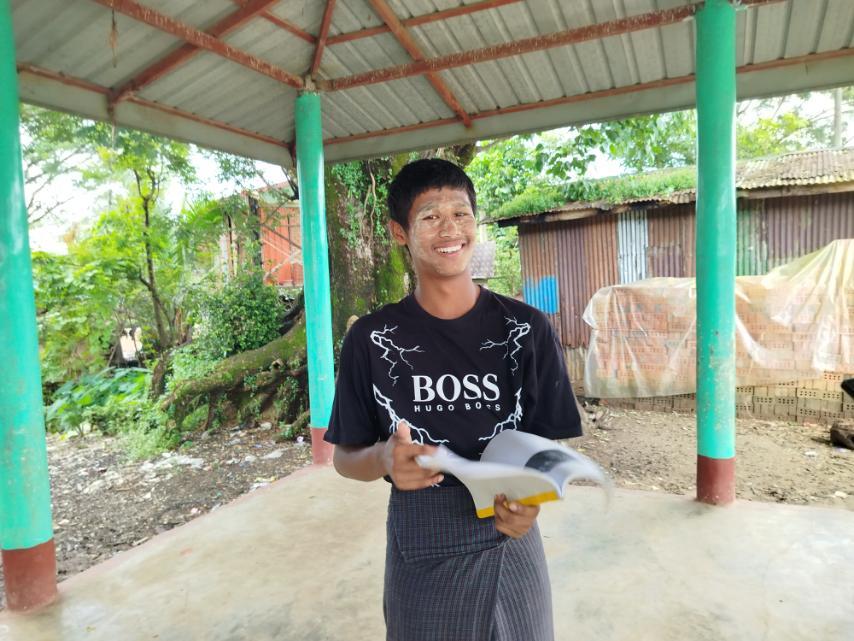
"Now, the people and friends in my community treat me well and with respect," Soe shared. "I now feel safe and happy in my life because the people show empathy and treat me like everyone else."
Young people finding their voice in a country under pressure
Myanmar is in a state of prolonged crisis. Since the COVID-19 pandemic, more than three million people have been internally displaced. On 28 March 2025, two powerful earthquakes struck central Myanmar, killing over 3,500 people and affecting more than 17 million — adding further hardship to communities already stretched to their limits.
For children and young people, these compounding disruptions have interrupted education, fractured social networks and narrowed futures. Many, particularly girls and young people with disability, have been pushed further to the margins. Through the Youth for Youth (Y4Y) program, supported by the Australian Government through the Australian NGO Cooperation Program (ANCP), ChildFund Australia is working to change that by building the life skills, confidence and social connections that young people need to thrive, even in the most difficult circumstances.
Skills for safety, confidence and leadership
The program equips young people with training in leadership, social and emotional skills, sexual and reproductive health, gender equality, disability inclusion, and disaster risk reduction. It creates structured opportunities for young people to learn from and support each other and to take on active roles in their communities as peer educators and advocates. Direct participants across SEL programs,
In 2024–25, ChildFund Myanmar reached 3,470 direct participants, 2,738 of whom were under 18.
A future reimagined
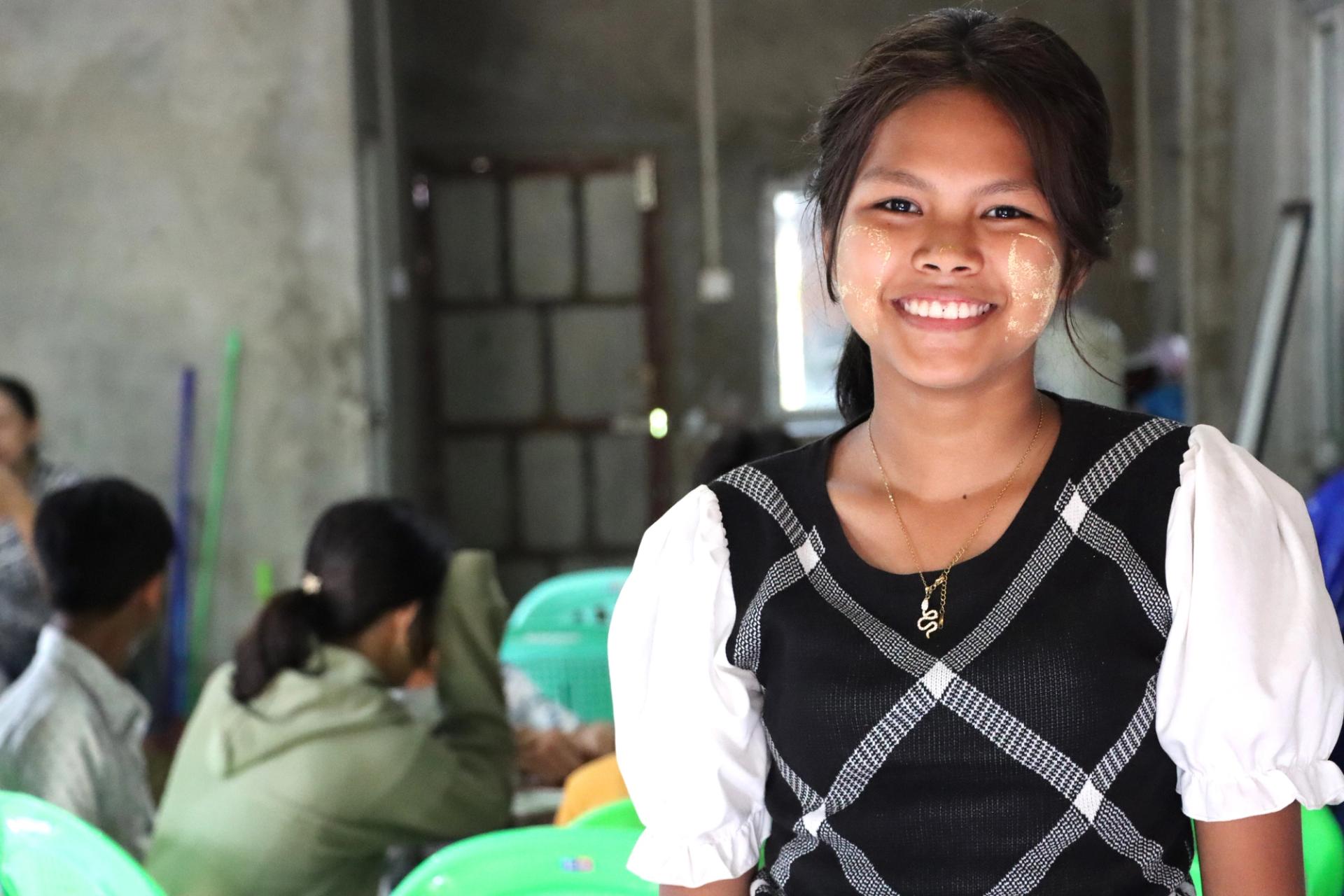
Nilar*, 22, grew up in a remote village with limited access to education or services. After leaving school during the COVID-19 pandemic, she returned home to work as a tailor and support her family. In a household where traditional expectations often favoured sons, she struggled with frustration and low self-worth.
The Youth for Youth program gave her something different. Through training in life skills, leadership, sexual and reproductive health, gender equality, disability inclusion and disaster risk reduction, she found confidence and a sense of direction. She was selected as a Peer Educator — a role that brought her purpose and recognition she had never experienced before.
"Because of the project, we have improved self-confidence and have been participating in community development activities," she said.
"I am determined to become a role model among youths in my village."
Her family relationships improved. She began actively supporting project activities and inspiring other young women in her community. Her story reflects one of Y4Y's most important outcomes: that when you invest in one young person's agency, the impact doesn't stop with them.
Confidence that travels home
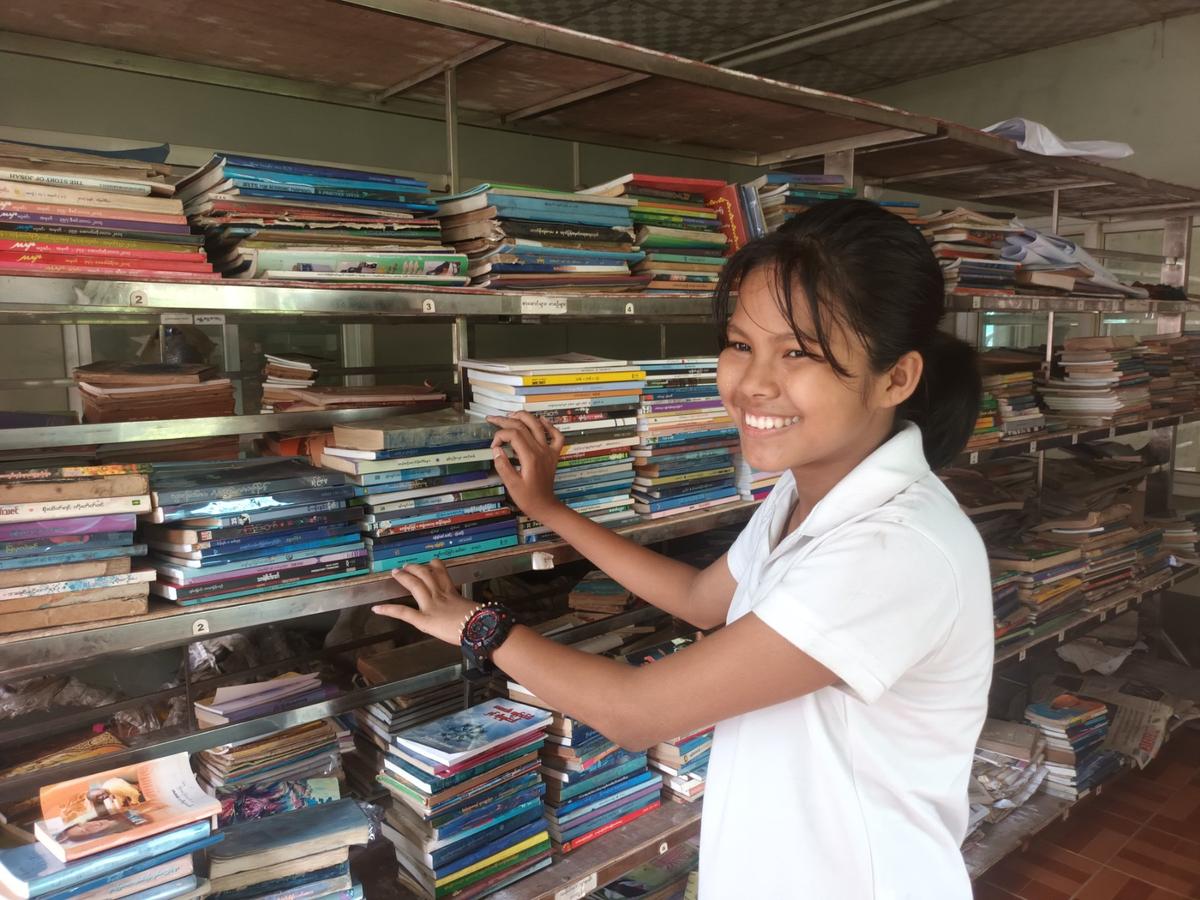
That ripple effect is visible across Y4Y communities. Zin, 16, joined a ChildFund youth development project after struggling with her emotions and feeling dismissed by her family. Through the same mix of leadership, life skills and comprehensive sexuality education training, she grew more self-assured – and began applying what she learned in daily life. She was chosen as a class leader, guiding her peers and supporting project activities.
Her mother noticed the difference. "Before the project, I was worried that something would happen to her, but now I feel safe," she reflected. "My daughter is now like an adult, even in terms of speech."
Building resilience from within
What links Soe, Nilar, and Zin is what their communities gained alongside them. Youth for Youth is not a program that delivers change to young people; it builds the conditions for young people to lead change themselves. Peer educators carry knowledge into households and streets that formal services rarely reach. Community attitudes shift. Families grow safer. Young people who were once excluded become the ones others turn to.
In a country facing extraordinary challenges, that kind of community-rooted resilience matters more than ever.
ChildFund Australia's Youth for Youth program in Myanmar is funded by the Australian Government through the Australian NGO Cooperation Program (ANCP). *All names have been changed to protect individual identity.