
What is food insecurity? Causes, impacts and solutions
13 October 2026
•By ChildFund Australia

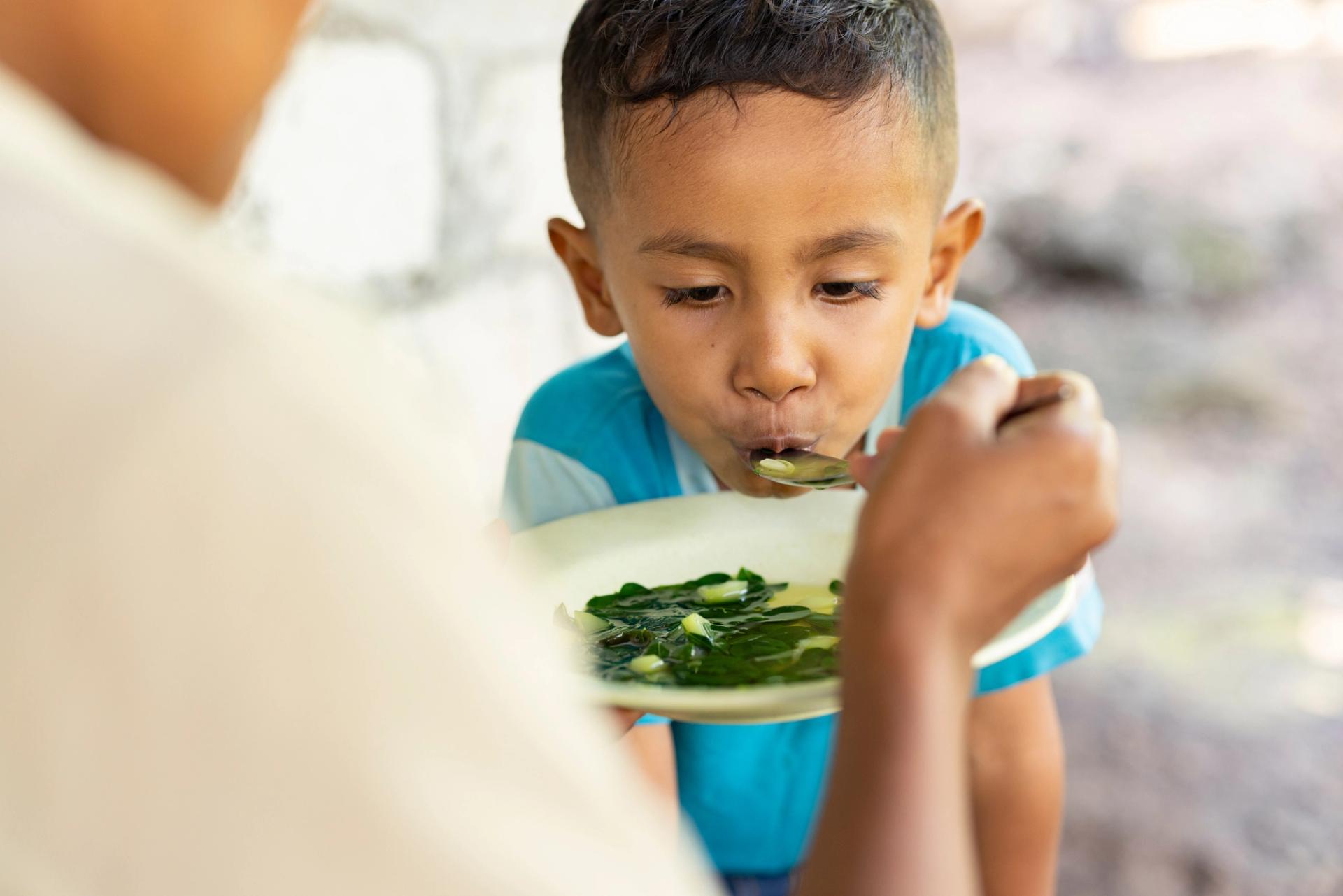
More than a meal.
A child can have food on their plate and still miss out on the nutrients they need to grow. A parent can know which foods would help their child stay healthy but struggle to afford them. And a family can live near a market full of fresh produce without the money or transport to get there.
Food insecurity is about more than going hungry. It means not having reliable access to enough safe, nutritious food. Families may have to skip meals or rely on cheaper foods that lack essential nutrients, affecting children’s health, growth and ability to learn.
What causes food insecurity, how does it affect children and families, and what can help? Read on to find out.
What is food insecurity?
Food insecurity occurs when access to enough safe, nutritious food is limited or uncertain. It can mean worrying about whether food will last until the end of the week, cutting back on meals or going without food altogether. It can also mean children eating food that fills their stomachs temporarily but doesn’t provide the nutrients they need to grow, concentrate at school and develop healthy bodies and brains.
It can be:
- Chronic: when persistent barriers, such as poverty or limited resources, make it difficult to access nutritious food over time.
- Acute: when conflict, extreme weather or an economic shock suddenly disrupts access to food.
Both can affect children’s health and put additional pressure on families.
Food insecurity, hunger and malnutrition: what’s the difference?
These terms are often used together, but they don’t mean the same thing.
- Food security means having reliable access to enough safe, nutritious food to stay healthy.
- Food insecurity means that access is limited or uncertain.
- Hunger is the physical feeling of not having enough food to eat.
- Malnutrition occurs when the body doesn’t get the right balance of nutrients, whether through too little, too much or an imbalance.
- Famine is an extreme food crisis that meets specific thresholds for food deprivation, acute malnutrition and mortality.
Food insecurity can lead to hunger and malnutrition, but a child might eat regularly and still miss out on essential nutrients because their family can’t afford a varied diet.
Read more about the difference between hunger, famine and malnutrition.
What is food security?
Food security involves more than having enough food available. Families also need to afford it, access it consistently and get the nutrients they need.
There are four key parts to food security:
- Availability: Is there enough food available?
- Access: Can families afford food and get to where it’s sold?
- Utilisation: Can people get the nutrients they need, with access to clean water, sanitation and healthcare?
- Stability: Can families access food consistently, even when crops fail, prices rise or extreme weather disrupts supplies?
For families who rely on farming, food security can depend on having the resources to grow food and adapt to changing weather.
What causes food insecurity?
Food insecurity rarely has one cause. Conflict, climate change, poverty and barriers to essential services can overlap, making it harder for families to put nutritious meals on the table.
Conflict and displacement
Conflict disrupts nearly every part of a food system. Farmers may be unable to plant crops, markets can close and food prices often rise. Healthcare and essential services can also become harder to access.
In 2025, 266 million people across 47 countries and territories faced severe food shortages, making it difficult to get enough food to eat. Conflict remains a leading cause of hunger, forcing families from their homes and disrupting their access to food and livelihoods, according to the Global Report on Food Crises 2026.
Climate change and extreme weather
For many families, food security depends on predictable weather. Shifting rainfall patterns and unpredictable seasons can make it harder for farmers to know when to plant and harvest, while droughts and floods can damage crops, reduce water supplies and cut household incomes.
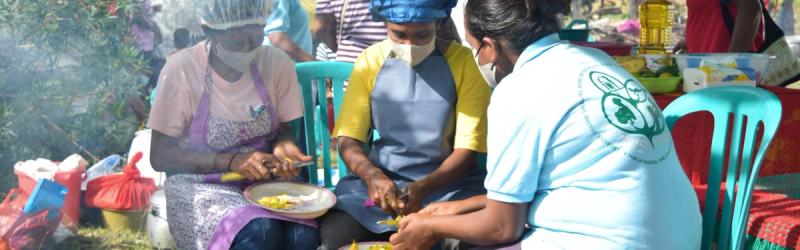
In rural Timor-Leste, more than 70% of people rely on rain-fed agriculture, according to the Australian Centre for International Agricultural Research (ACIAR), leaving them exposed to changing weather patterns. Sidonia, a mother of six, is part of a women-led farming group supported by ChildFund. With training, seeds, water tanks and plastic tunnels, she grows vegetables for her family and sells surplus produce to help cover school costs. Through initiatives like these, women are planting seeds for change in Timor-Leste.
Poverty, rising food prices and economic shocks
Poverty can make it difficult for families to access the nutritious food they need, even when food is available in local markets. Rising prices and unstable incomes can make this harder still. Around the world, nearly one in three people cannot afford a healthy diet.
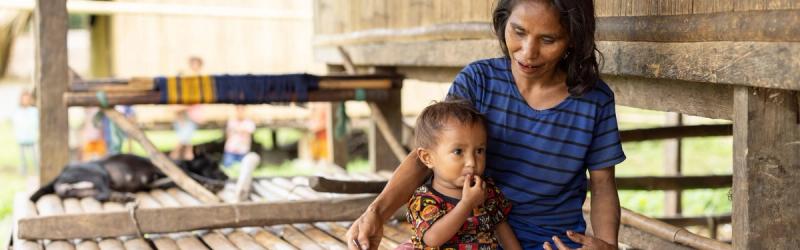
When families cannot afford a varied diet, children may miss out on essential nutrients, increasing their risk of malnutrition. Siti, a mother in rural Sumba, Indonesia, grew rice, corn, cassava and fruit with her family. But she couldn’t afford the variety of foods her young daughter, Amara, needed. At just 10 months old, Amara was diagnosed with moderate acute malnutrition.
“She was malnourished because I could not afford to buy good food for her,” Siti said.
Through ChildFund’s local partner, Sumba Integrated Development, Siti joined responsive parenting classes and received help accessing a government stipend to buy nutritious food for Amara.
Barriers to accessing nutritious food
Access to nutritious food depends on being able to reach markets, find fresh food and get it home safely. In remote communities, poor roads and limited transport can make this difficult. Farmers may also lose crops without suitable storage or reliable ways to get produce to market.
When money is tight, families may have to choose cheaper food that fills stomachs temporarily but leaves children hungry again soon after, or lacks the nutrients they need to grow and develop. Some families may also cut back on meals so others can eat.
Children need clean water, sanitation and healthcare to stay healthy and absorb nutrients. Without these essentials, they face a greater risk of malnutrition. Children who are malnourished may need nutritional supplements available only at health clinics, but long distances and limited transport can make accessing treatment difficult.
How does food insecurity affect children and families?
Children need a varied diet to grow, stay healthy and learn. Without essential nutrients, they are at greater risk of malnutrition, including stunting, wasting and micronutrient deficiencies. Hunger can also make it harder to concentrate in class and keep up with schoolwork. Food that fills a child’s stomach but lacks essential nutrients can leave them hungry again soon after eating.
When nutritious food is unaffordable or difficult to access, families may have to rely on a less varied diet, skip meals or cut back on food so others can eat. Gender inequality can also mean men and boys are prioritised at mealtimes, leaving women and girls at greater risk of malnutrition. Poor nutrition during pregnancy can affect a baby’s growth and increase the risk of low birth weight.
In rural Timor-Leste, community health volunteer Teofila helps families understand children’s nutritional needs and connect with health services. Discover how Teofila is helping families improve children’s nutrition in her community.
Food insecurity facts and statistics
These figures show the scale of food insecurity around the world.
- 2.1 billion people worldwide experienced moderate or severe food insecurity in 2025. (UN Food and Agriculture Organization)
- 266 million people across 47 countries and territories faced high levels of acute food insecurity in 2025. (Global Report on Food Crises 2026)
- 35.5 million children aged 6–59 months experienced acute malnutrition in 2025 across 23 countries and territories classified as experiencing nutrition crises. Of these, 9.7 million had severe acute malnutrition. (Global Report on Food Crises 2026)
What are the solutions to food insecurity?
Solutions depend on the challenges families face, from immediate food shortages to the longer-term effects of poverty and changing weather.
Key approaches include:
- Food and nutrition support: Providing food during crises and identifying and treating malnutrition early.
- Climate-resilient farming: Helping communities grow different crops, manage water and adapt to changing weather.
- Reliable incomes: Helping families earn a living and farmers get their produce to market.
- Nutrition education and healthcare: Connecting parents with information, nutritious food, clean water and health services.
- Community-led solutions: Building on local knowledge, skills and resources.
How ChildFund supports child nutrition in Timor-Leste
Having enough food matters, but children also need the right nutrients to grow and develop. In Timor-Leste, ChildFund village health volunteers help families understand what children need to eat, how to balance their diets and why deworming helps the body absorb nutrients. They also provide extra support to families whose children are at risk of malnutrition.
In 2025–26, ChildFund’s DFAT-supported work in Timor-Leste included:
- 20 community education sessions focused on children under two.
- 110 children under five with moderate malnutrition taking part in Nutrition Education Rehabilitation Sessions (NERS).
- 79 children with severe acute malnutrition identified and referred to health clinics, with additional support provided.
How can we help address food insecurity?
ChildFund works with local partners and communities to support children’s nutrition and family wellbeing. This includes identifying malnutrition early, strengthening community health services, helping families grow food and earn an income, and responding when crises disrupt access to food.
By working alongside communities and building on local knowledge, ChildFund helps address the barriers affecting children’s nutrition and health.
You can also explore other ways to give to support ChildFund’s work with children and communities.