
Young people have something to say. Are we listening?
15 October 2026
•By Emily Freedman

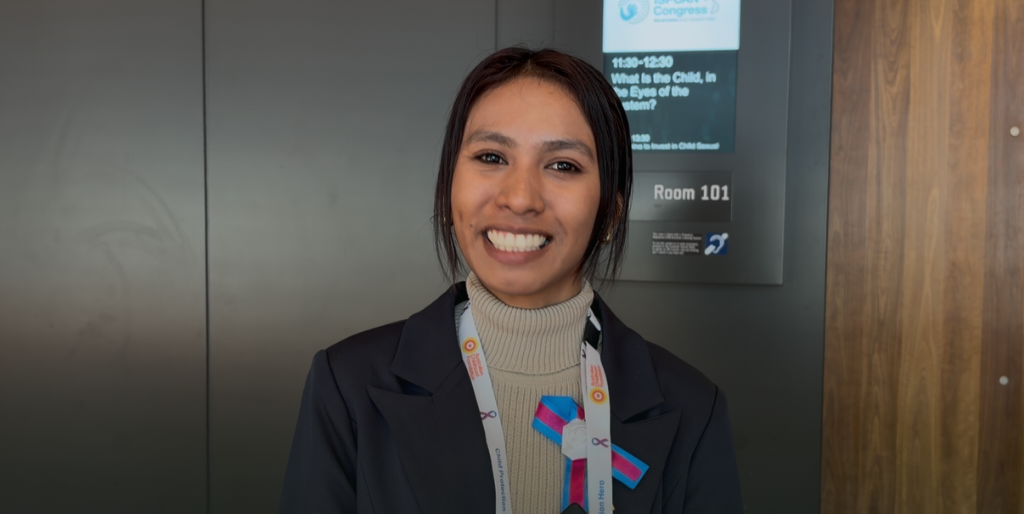
Jolcia has something to say.
“When we talk about children and young people, we often talk about them. But I believe we also need to talk with them and alongside them.”
For Jolcia Cáceres dos Santos, 20, that distinction matters. She wants adults to take children’s experiences seriously and involve them in decisions about their safety.
Earlier this year, Jolcia travelled alone from Timor-Leste to Melbourne to speak at the ISPCAN International Congress on Child Abuse and Neglect. It was her first flight, her first time abroad and her first time addressing an international audience. But the trip was about more than firsts. It was a chance to bring the experiences of children and young people in Timor-Leste to an international discussion about child protection.
Back home, Jolcia is a Youth Facilitator with ChildFund Timor-Leste’s Swipe Safe program, which ChildFund runs in partnership with the Timor-Leste Youth Parliament Alumni. She helps children, parents, caregivers and frontline workers recognise online risks, from scams and suspicious links to misleading information, so they can make informed decisions and stay safer online and offline.
We spoke to Jolcia about what she learnt from other young people, why adults need to listen and what it means to give children a real say in decisions that affect them.
What do you wish more adults understood about young people and the online world?
Being online isn’t just about chatting or playing games. It also gives children opportunities to learn, explore their interests, access information that supports their education and develop new skills. We can learn different languages, discover new subjects and share our creativity and talents with people beyond our own communities. Someone in another country might discover what we can do through gaming, dancing or something else we love.
Of course, there are risks, and children need guidance to use the internet safely. But being online isn’t necessarily a bad thing. Adults also need to recognise the opportunities it offers for children’s learning and development.
Through your work with Swipe Safe, what online safety challenges do young people face?
I’ve seen that some children and young people don’t know enough about online safety. For example, they might receive a link on their phone and click on it or share it without checking first. This could put their account at risk of being hacked or expose them to scams. Swipe Safe helps children understand these risks and learn to check information before clicking, sharing or responding. It also helps them recognise that not everything they see online is true or trustworthy.
Parents and caregivers need this information, too. Even if they aren’t familiar with the online world, they can learn to recognise risks and support their children.
What stayed with you from hearing other children share their experiences at the conference?
During a workshop, I heard children share their experiences of violence and sexual abuse, including how difficult it had been to recover and rebuild their lives.
It made me think about how important it is that children don’t have to face these situations alone. They need people who will listen, support them and help them find appropriate assistance. They also need to know where they can go for help.
I also reflected on the importance of listening to children before making rules that affect them. Adults shouldn’t simply expect children to follow rules without considering what they think or feel. Children need guidance, but they also need space to be themselves. Adults need to understand their needs and perspectives as they develop their own identities and make decisions.
Why is it important for children and young people to help shape child protection programs?
Children understand these issues through their own experiences. They can tell us how they feel, what challenges they face and what kind of support or protection they need. Listening to them helps decision-makers understand their lives rather than make assumptions about what they need.
For me, it’s not enough to give children and young people a space to speak and share their opinions. They need opportunities to work with adults and help shape the programs and decisions that affect their lives. That means listening to different perspectives, asking different questions and being willing to challenge the way things have always been done. Their experiences and ideas need to influence what happens next.
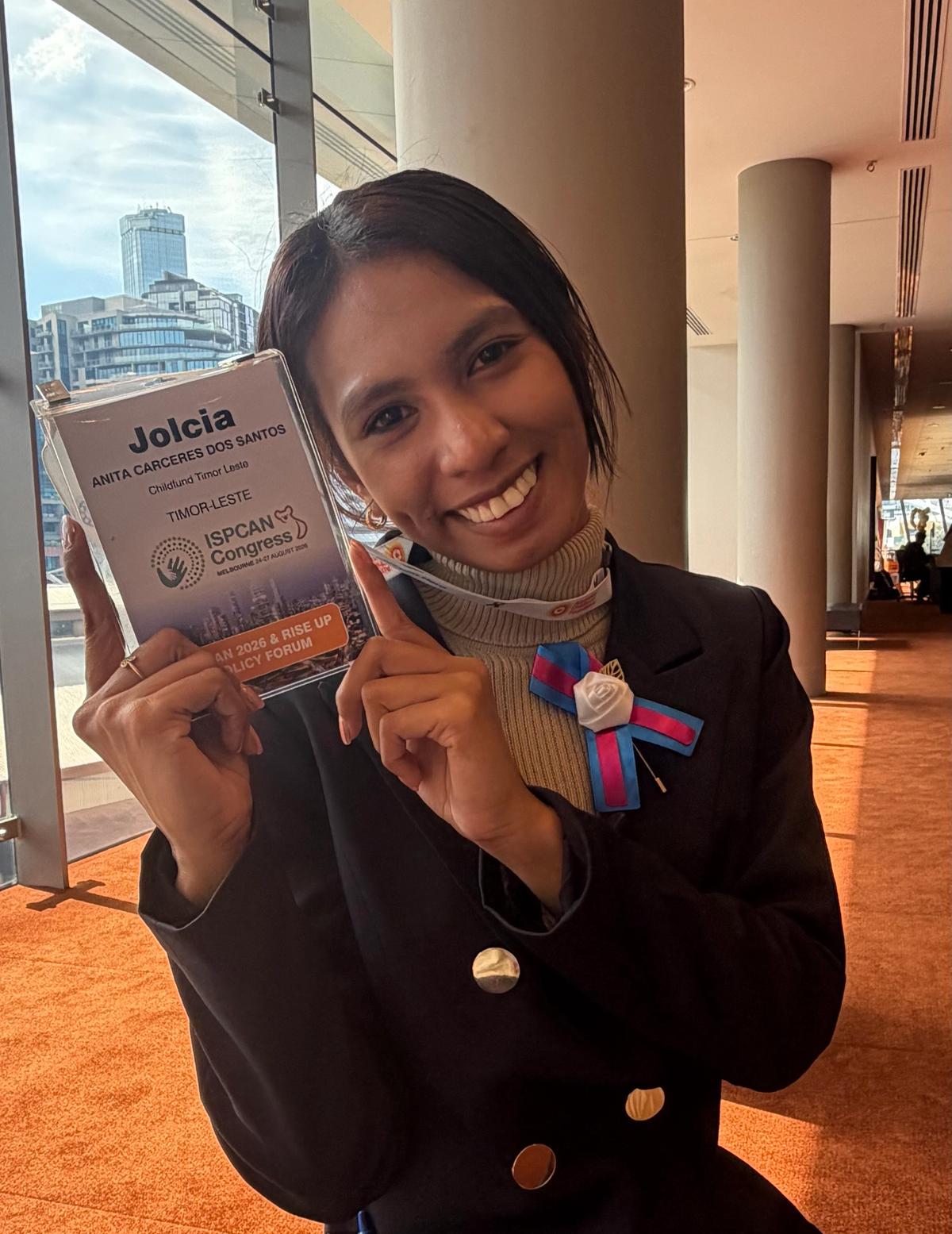
You shared your own experiences at the conference. How has your voice made a difference?
When I shared my experiences as a child and young person, some people told me they had experienced similar things. That made me realise my voice can help others feel that they’re not alone. When someone hears another person talk about an experience they recognise, it can encourage them to speak about the challenges they’re facing in their own lives.
For me, that’s one way my voice can make a difference. It’s not only about sharing my own experiences, but also about encouraging others to find their voice and speak about theirs.
What motivates you to speak up for children and young people in Timor-Leste?
Timor-Leste has a large young population, and I want to inspire other children and young people to become leaders, too. Girls and young women can face sexual harassment and abuse in public spaces, while gender stereotypes and bias can limit their opportunities to participate in their communities. These are some of the issues that motivate me to speak out.
I want to amplify the voices of children and young people and help shape programs that better protect and support them. Children face challenges both online and offline, and I want their experiences to inform the decisions that affect their lives.
What is one dream you have for your future?
I want parents to have the knowledge and understanding they need to support their children. That means listening to them, understanding their needs and respecting their dreams, goals and choices. Children need guidance and support, but they also need space to make decisions about their own futures.
I hope adults create safe spaces where children and young people feel comfortable sharing who they are, their experiences and the challenges they face. Young people will help shape our country’s future, so their voices need to be heard.
Our voices and our actions can make a difference.
Learn more about how ChildFund helps young people stay safe online.
This interview has been edited and condensed for clarity.