
Supporting teachers to create more inclusive classrooms
1 October 2026
•By ChildFund Australia

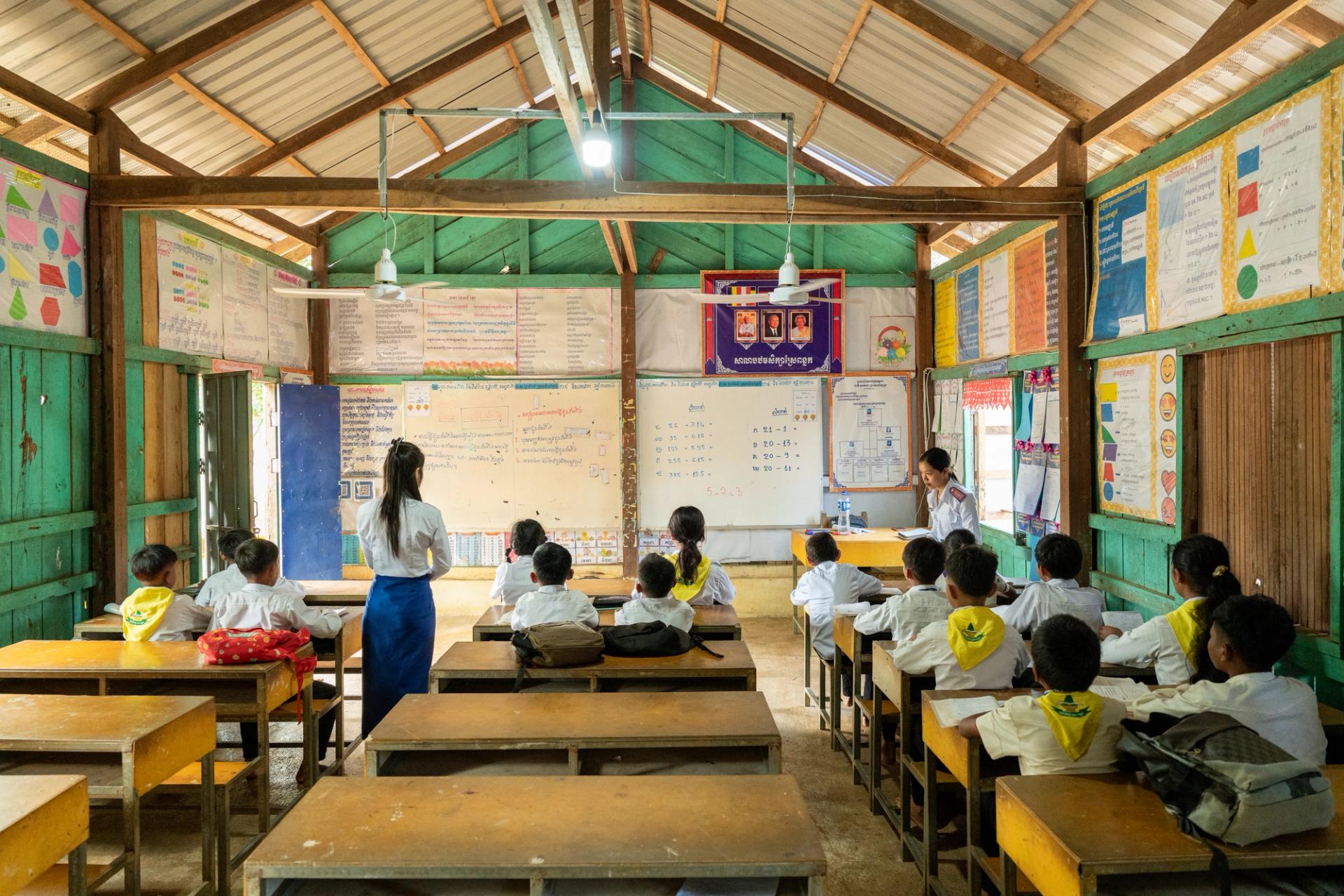
Standing with teachers.
Every day, teachers make hundreds of decisions to help children learn. They find different ways to explain a lesson, notice when a child needs extra help and create opportunities for children to participate and connect with their classmates. But teachers can’t do this alone. They need the right training, resources and support to respond to the different needs of the children in their classrooms.
World Teachers’ Day, held every year on 5 October, is a chance to recognise the important role teachers play – and to think about how we can stand alongside them.
When is World Teachers’ Day 2026?
World Teachers’ Day 2026 will be held on Monday 5 October. Celebrated internationally each year, the day recognises teachers’ contributions to children’s education and communities around the world. It’s also an opportunity to highlight the support teachers need to keep developing their skills and creating positive learning environments.
What is World Teachers’ Day and why is it celebrated?
World Teachers’ Day is an opportunity to celebrate teachers and recognise the important work they do, while also drawing attention to the support teachers need throughout their careers.
UNESCO established World Teachers’ Day in 1994 to commemorate the anniversary of the 1966 Recommendation concerning the Status of Teachers. Developed by UNESCO and the International Labour Organization, the recommendation sets out standards relating to teachers’ rights and responsibilities, including their training, professional development, recruitment and working conditions.
So while 5 October is a day to celebrate teachers, it’s also a reminder that valuing teachers means investing in them – giving them the training, resources and support they need to keep supporting their students.
What is the theme of World Teachers’ Day 2026?
The World Teachers’ Day 2026 theme is “Standing with teachers: 60 years of protecting the profession, advancing its status and shaping our futures”.
The theme recognises the vital role teachers play in shaping children’s futures and the importance of supporting the teaching profession as it evolves.
Standing with teachers means more than thanking them for the work they do. It means making sure they have opportunities to develop their skills, access to useful resources and the support they need to meet the needs of every child.
Why does teacher support matter?
Every classroom is different, and every child brings their own strengths, experiences and learning needs. Teachers are often the first to notice when something isn’t working for a child – but recognising a need is only the first step.
With the right training and support, teachers can learn new ways to respond. They might use visual cues to help a child understand a task, change where they sit in the classroom, adapt an activity or find a way to help them connect with their classmates.
Why are teachers important?
Teachers do much more than pass on knowledge. They help create classrooms where children can learn, connect with others and feel included. Every child learns differently. Some may need extra encouragement, additional support or a different way of approaching a lesson. When teachers know their students well, they can notice what each child needs and adapt their approach.
That might mean changing where a child sits, using pictures to explain a task or finding a new way to help them join in. For one teacher in rural Vietnam, these small changes helped transform one child’s experience at school.
How teacher training supports inclusive education
Ms Hoa* is a kindergarten teacher in a mountainous commune in Cao Bang province, Vietnam. Last year, with support from ChildFund Australia, she helped seven-year-old Tung* become more confident and involved in classroom learning.
Tung has autism and, at first, the noise and activity of the classroom could easily overwhelm him. He struggled to focus on lessons and join in with other children, making learning and friendships difficult. Ms Hoa noticed and wanted to find ways to support him.
Through the second phase of ChildFund Australia’s My Right to Education project, teachers in the community received training in inclusive education. Ms Hoa used what she learned to work with Tung and his family, developing an Individualised Education Plan to support his learning.
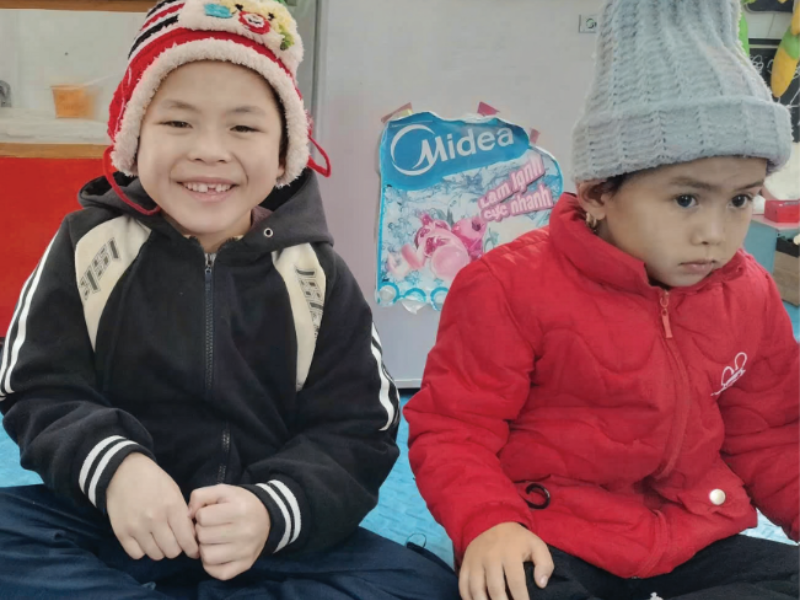
From there, Tung’s school experience began to change. Ms Hoa made a few simple adjustments. Tung sat close to her so she could support him more easily. She used visual cues to help him understand what was expected during a task and praised him when he followed instructions. She also introduced activities based on his interests to keep him engaged and created more opportunities for Tung to interact with his classmates.
Over the course of a year, these small steps added up. Tung learned to sit quietly for more than 15 minutes, put his belongings in the right place, throw rubbish in the bin and regularly take part in group activities. He began smiling and laughing with his classmates during playtime and became eager to answer questions during lessons.
For Ms Hoa, one of the biggest changes was seeing Tung connect with the other children.
“The best part is the happiness in his eyes when he plays with friends. No more crying or isolation. He is gradually finding his place in the world,” Ms Hoa said.
How does ChildFund Australia support teachers?
Supporting teachers is a key part of ChildFund Australia’s work to make education more inclusive. We work alongside teachers and schools, providing training and resources they can use to adapt their teaching and support the different needs of children in their classrooms.
In Vietnam, 1,960 teachers and school staff took part in the second phase of ChildFund Australia’s My Right to Education project, developing their skills and confidence to support children with disabilities and adapt their teaching. The project also helped 74 children with disabilities from Bac Kan and Cao Bang provinces start school.
We’re taking a similar approach in rural Battambang, Cambodia. Through the Disability Empowerment and Education Project (DEEP), ChildFund Australia and local partner KHEN are working with schools and communities to make education more inclusive. Eighty-six per cent of teachers in DEEP-supported schools have received training in inclusive teaching, and 175 children with disabilities have Individualised Education Plans.
Behind each of these numbers are teachers putting new skills into practice – and children gaining more opportunities to take part in school.
How can you support teachers this World Teachers’ Day?
Standing with teachers can start with something simple: recognising their work and helping make sure they have the support they need.
- Make a monthly donation to help ChildFund Australia support teachers and children over the long term. Regular donations can help fund education programs and provide communities with more consistent support.
- Choose a World Teachers’ Day gift from the ChildFund Gifts for Good range. A school supplies set can help provide essential materials for learning, while the Bright Future Bundle can help give a child the things they need to attend and participate in school.
- Thank a teacher. A simple message, card or thank-you is a meaningful way to recognise the work teachers do every day.
- Spread the word. Share a World Teachers’ Day message on social media using #WorldTeachersDay and encourage friends and family to celebrate teachers too.
Because standing with teachers means more than celebrating them for one day. It means giving them the support to create classrooms where children can learn, participate and feel that they belong.
*Names changed to protect identity.