
How can we improve access to education for girls'?
22 September 2026
•By ChildFund Australia

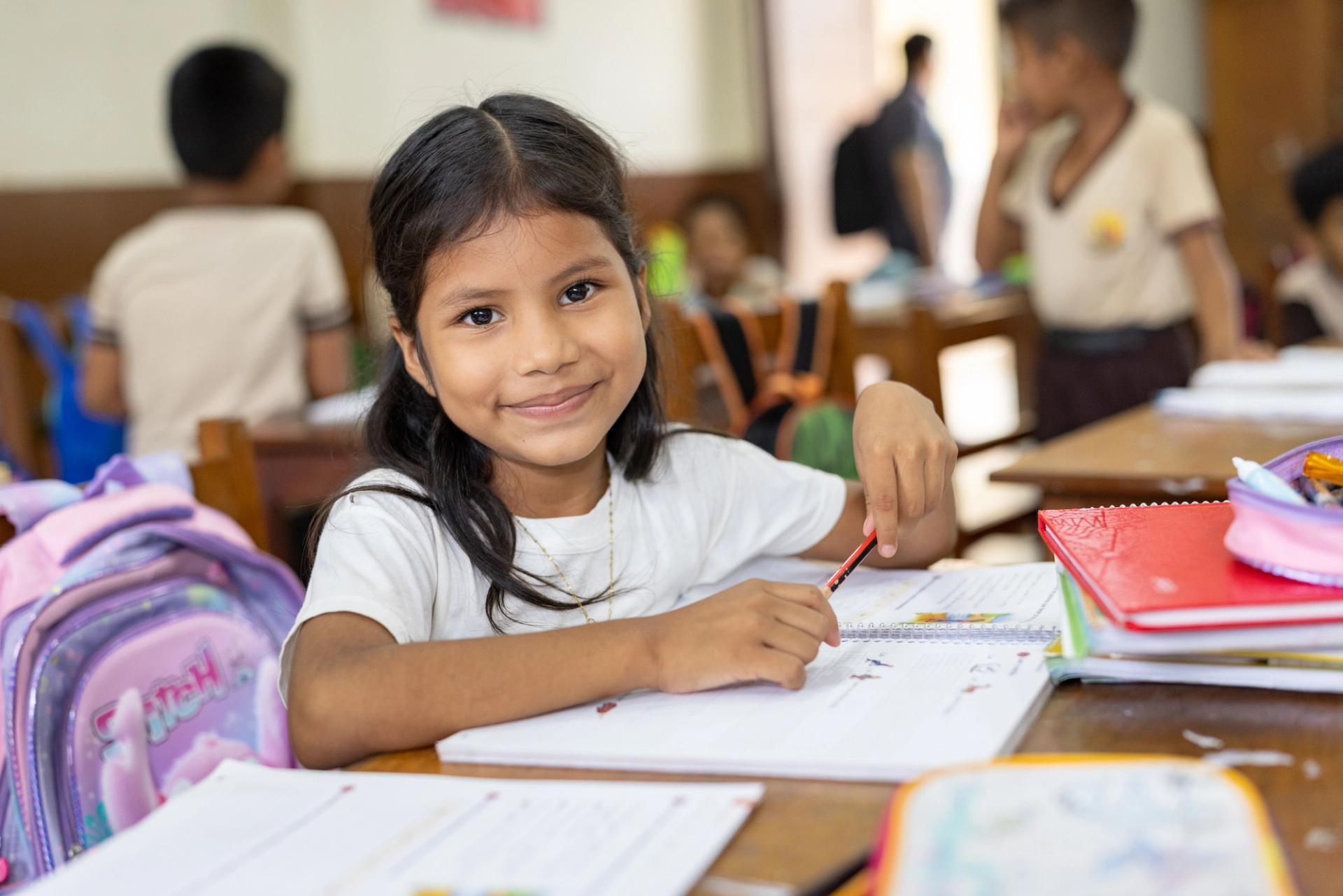
When Girls’ Education Is Interrupted.
Education can give girls more choices about their lives, work and futures. More years of schooling are associated with higher earnings and better health outcomes, while girls’ education can also contribute to lower rates of child marriage and improved outcomes for their children.
But getting girls into classrooms is only part of the picture.
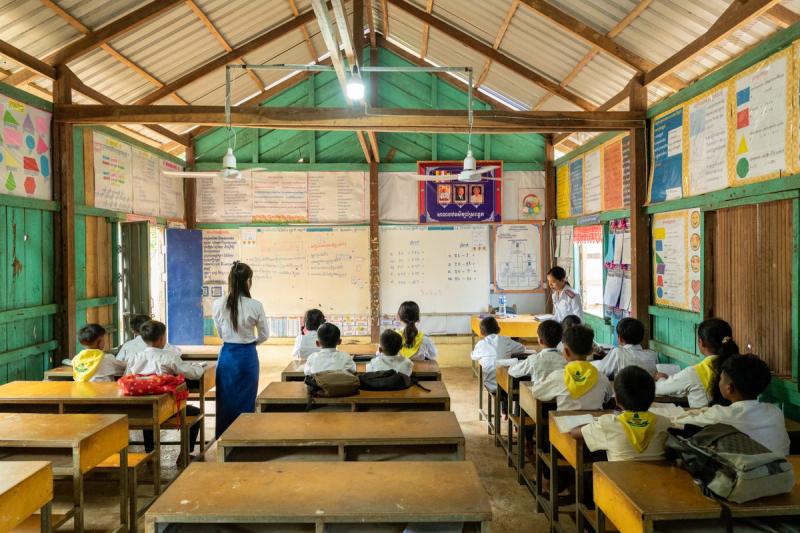
A girl can be enrolled in school and still miss out if she does not have the resources or support she needs to learn. A long journey may make regular attendance difficult. A lack of safe toilets may make school harder to attend. A child who is struggling to read may fall further behind if there is no one available to give them extra support.
That is why improving girls’ education means looking at both access and quality – and understanding what is getting in the way for children in each community.
What are the barriers to girls’ education?
Globally, 133 million girls are out of school. For many, getting an education is shaped by circumstances far beyond the classroom.
Poverty can make the costs of school – from uniforms and books to transport – difficult for families to manage. Distance can make attending school harder, particularly for children living in rural and remote communities. Disability can create additional barriers when schools, teaching and learning materials are not accessible.
For girls, the challenges can also increase as they grow older. Early marriage and pregnancy, gender-based violence, caring responsibilities and expectations about girls’ roles can all affect whether they can stay in school and continue learning.
These barriers can overlap, which is why there is no single solution to improving girls’ education. The starting point is understanding what is preventing children from learning in each community, then working with communities to address it.
5 ways to improve girls’ education and increase access
1. Reduce the cost of going to school
For families living on low incomes, the cost of education can add up quickly. Uniforms, books, stationery and transport may become a reason for a child to miss school or leave altogether.
ChildFund works with local partners, families and communities to help remove some of these costs. This can include providing school bags, books and other learning materials, as well as supporting families to help children stay in school.
The right response depends on the community. In some places, the biggest barrier is the cost of supplies. In others, families may need support to strengthen their livelihoods so children are not pulled out of school to work or take on more household responsibilities.
2. Make schools easier and safer to reach
A school can only be accessible if children can get there safely. For girls living in rural and remote communities, distance can be a significant barrier. A long journey to school can place extra pressure on families and raise concerns about girls travelling alone, particularly as they get older.
ChildFund and local partners work with communities to make education more accessible. This can include improving school facilities and, where appropriate, helping children who live further away with transport.
Access is not simply about getting a child through the school gate. It is about creating the conditions for children to attend regularly and learn.
3. Make schools safe, inclusive places to learn
Getting girls into school is only part of the picture. They also need a school environment where they can learn. Clean water, safe toilets and suitable classrooms are basic parts of that environment, while learning materials and teachers with the right training and resources can help children build strong literacy and numeracy skills.
ChildFund works with local partners to improve schools and learning environments, including classrooms, libraries and water and sanitation facilities. We also support teacher training and provide learning materials. Inclusive education is an important part of this work, as children with disabilities can face additional barriers to attending and participating in school.
4. Help girls stay in school and keep learning
Enrolment is not the finish line.
A girl may start school and later stop attending because her family is struggling financially, she has caring responsibilities or her community expects her to leave school early.
ChildFund works with local partners, schools and families to identify children who are at risk of dropping out and support them to return to learning. In some programs, this includes monitoring attendance and following up when children stop attending.
Keeping girls in school also means addressing the barriers that can emerge as they grow older. Early marriage and pregnancy, gender-based violence and social expectations can all affect whether girls are able to continue their education.
5. Give girls a voice in their education and future
Improving girls’ education is not only about getting children into school. It is about making sure they have the support, resources and opportunities they need to learn and keep progressing.
In rural Timor-Leste, Felizarda did not have the opportunity to attend school as a child. She later learned to read and write herself and now helps children in her community build their literacy skills as a ChildFund-trained volunteer.
Felizarda works one-on-one with children who are struggling with reading and writing, using stories, games, repetition and encouragement. After four sessions, some children who had struggled to read or even write their own names were beginning to read and write.
Eight-year-old Sofia* is one of them. “Reading is very important because I want to become smart,” she says. She hopes to become a police officer when she grows up.
Stories like Felizarda’s show what improving education can look like beyond enrolment numbers: people in the community building children’s skills, confidence and opportunities to keep learning.
Why investing in girls’ education matters
The benefits of girls’ education reach beyond the classroom.
More years of education are associated with greater economic opportunity and improved health outcomes. Education can also help address barriers linked to early marriage and pregnancy.
The impact can continue across generations. When women have had the opportunity to learn, they are better placed to make decisions about their health, work and families, while their children can benefit from those opportunities too.
Education can also help challenge the expectations that shape girls’ lives. When girls can learn, develop skills and see women taking on different roles in their communities, it can help broaden what they see as possible for themselves. But the starting point is simple: girls need to be able to get to school, stay there and learn.
Girls’ education can change what comes next
Just as there is no single way to learn, there is no single way to improve girls’ education. For one child, the barrier may be the cost of a school uniform. For another, it may be a long journey to school or a lack of safe sanitation. Another may need extra support to learn to read or help to return to school after dropping out.
What matters is understanding what stands in each child’s way and working with communities to remove those barriers. Because when a girl can get to school, stay there and learn, the impact can reach far beyond the classroom – shaping her choices, expanding her opportunities and helping change what is possible for the next generation.
Help remove barriers to girls’ education
You can help girls access education and stay in school. Explore our Gifts for Good catalogue to see practical ways to support children and communities, or donate today to help break down barriers to education.
FAQs about girls' education
*Name changed to protect individual identity.