
What is the difference between an infectious and non-infectious disease?
12 March 2024

A guide to infectious & non-infectious diseases
Infectious and non-infectious diseases are very different. An infectious disease can be transmitted from one person to another, while a non-infectious disease cannot be spread through person-to-person contact.
To help you better understand the difference between infectious and non-infectious diseases, we’ve defined and compared the two below.
What is an infectious disease?
Infectious diseases are caused by pathogenic micro-organisms such as bacteria, viruses, fungi or parasites. These micro-organisms are contagious, meaning they can be transmitted from one person to another. Examples of infectious diseases include the common cold, COVID-19 , SARS and tuberculosis. Find out more about common infectious diseases here .
What is a non-infectious disease?
Non-infectious diseases are not caused by pathogens and therefore cannot be spread from one person to another. Instead, non-infectious diseases are caused by factors such as genetics, malnutrition , environment and lifestyle.
Some examples of non-infectious diseases include cardiovascular diseases (such as heart attacks and stroke), cancers, chronic respiratory diseases (such as chronic obstructive pulmonary disease and asthma), and diabetes. Other examples include Parkinson’s disease, autoimmune diseases, strokes, heart diseases, chronic kidney disease, osteoarthritis, osteoporosis, Alzheimer’s disease, and cataracts.
What are the main differences between an infectious and non-infectious disease?
Diseases are usually grouped into two main types: infectious and non-infectious, depending on whether they can spread between people.
Infectious diseases
Infectious diseases are caused by microorganisms such as viruses, bacteria, fungi or parasites. These are known as pathogens. They are contagious, meaning they can spread from one person to another through the transmission of these pathogens.
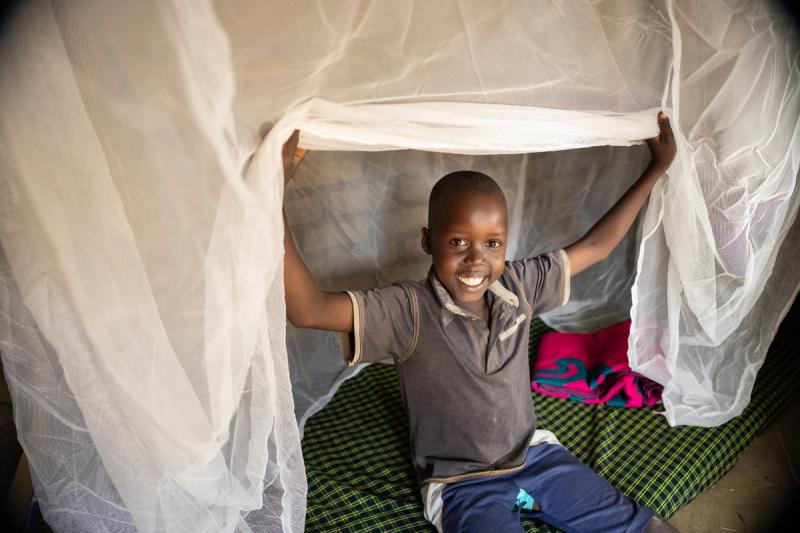
This can happen through direct contact, bodily fluids, contaminated surfaces, food, water or insect bites.
Examples include:
- Influenza
- COVID-19
- Tuberculosis
- Malaria
- Chickenpox
- Measles
Non-infectious diseases
Non-infectious diseases are not caused by pathogens and cannot be passed from person to person. Instead, they develop due to factors such as genetic changes, lifestyle, malnutrition, environmental exposure or ageing.
Examples include:
- Heart disease
- Diabetes
- Cancer
- Asthma
- Arthritis
- Stroke
Key difference
The main difference is that infectious diseases are caused and spread by pathogens between people, while non-infectious diseases are not contagious and develop due to other factors.
Prevention strategies for infectious disease focuses on stopping the spread
Infectious disease and non-infectious disease require different prevention strategies to protect individuals or groups from falling ill.
Prevention strategies for infectious disease focus on isolating individuals who have the disease to protect the broader population, and vaccinating against known strains to prevent transmission.
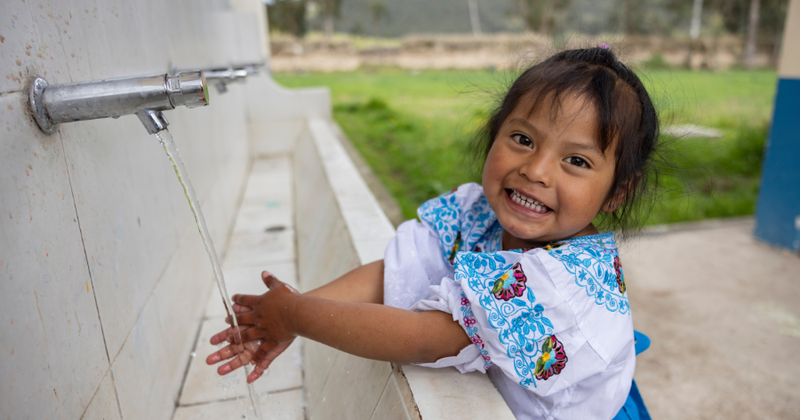
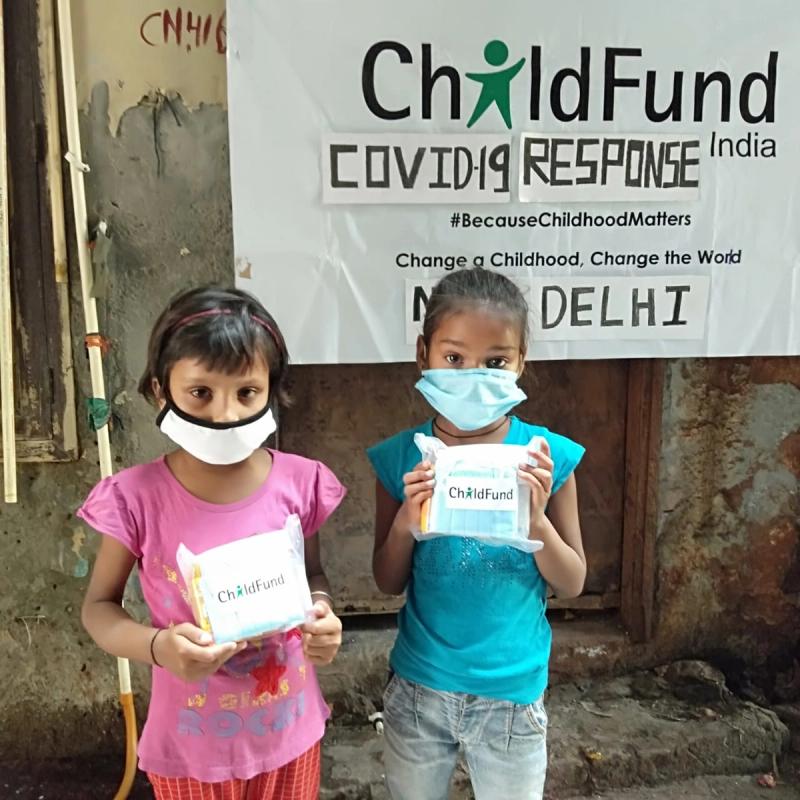
During a pandemic, or outbreak, certain measures may be taken to stop the spread, such as disinfecting surfaces that are frequently touched. Individuals are also encouraged to wash their hands regularly with soap and warm water, and to self-isolate if they develop signs or symptoms to prevent transmission.
Preventative measures for non-infectious diseases are lifestyle and contextually-focused
Preventative measures for non-infectious disease are focused on lifestyle choices and patterns, which have been identified as potentially effective through clinical research. You can reduce your risk of contracting Type 2 diabetes, for example, by maintaining a healthy weight, exercising regularly and consuming a balanced diet.
Not all non-infectious diseases, however, can be prevented. Some can develop as a result of an individual’s genetic history, lifestyle or age. While you can prevent alcoholic liver damage by abstaining from drinking or consuming alcohol less frequently, the liver can also be damaged by exposure to hazardous chemicals and toxins.
Help stop the spread of infectious diseases in developing countries
The COVID-19 pandemic brought infectious diseases into headlines around the world, highlighting how quickly illness can spread and disrupt communities globally. However, COVID-19 is only one example. Many other infectious diseases continue to affect communities in developing countries across the Asia-Pacific region, often with far more persistent and long-term impacts.
In many settings, limited access to healthcare, vaccination programs, clean water and sanitation can make it harder to prevent and treat infectious diseases. As a result, illnesses that are often preventable or treatable elsewhere can place significant pressure on families and health systems.
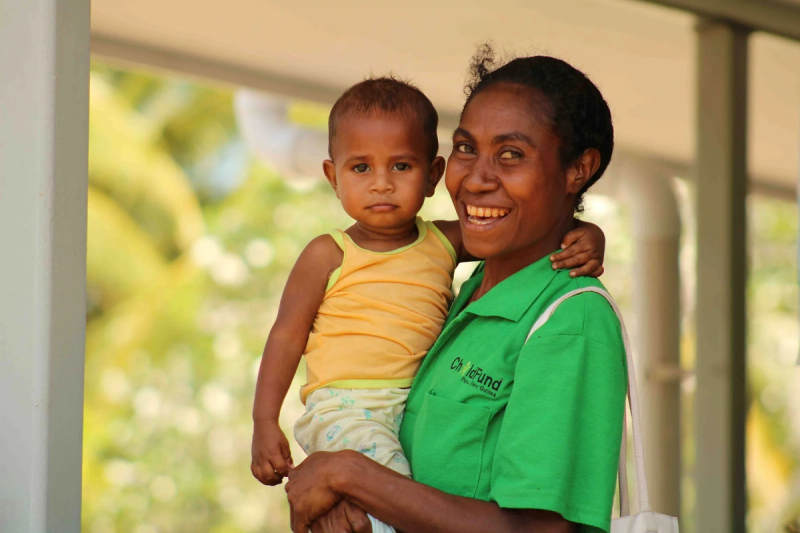
In Papua New Guinea, for example, tuberculosis remains a major public health challenge and has had a devastating impact on the health system. Outbreaks place additional strain on already limited healthcare services, making it harder for communities to access routine care and essential treatments.
As Dr Deborah Bettels, World Health Organisation Expanded Programme on Immunisation Coordinator in Papua New Guinea, explains: “Outbreaks cause more harm where the infrastructure is less. They strain the routine healthcare system. They cause sickness always, they may cause death.”
In places where health systems are already under pressure, infectious diseases can spread more easily and have more severe consequences.
How you can help prevent the spread of infectious disease today
You can help stop the spread of infectious diseases by donating one of the following Gifts for Good that helps provide clean water, or improve hygiene and sanitation in communities living in poverty.
- Hand washing station: A simple but powerful gift that can help everyone in a community improve sanitation and hygiene, and stay healthy.
- Hand pump well: This provides clean water for children and their families for drinking, cleaning and bathing. Children may no longer have to make long, dangerous journeys on foot to collect water from unreliable, contaminated sources. A hand pump well also offers children protection from the risk of deadly waterborne diseases.
- Restock a health station: Help restock a health station with desperately needed medicines, medical supplies, personal protective equipment and other necessities so children and families have ready access to the care and resources they need to stay healthy.