
How does hygiene help stop the spread of infectious disease?
18 May 2026


Why WASH matters
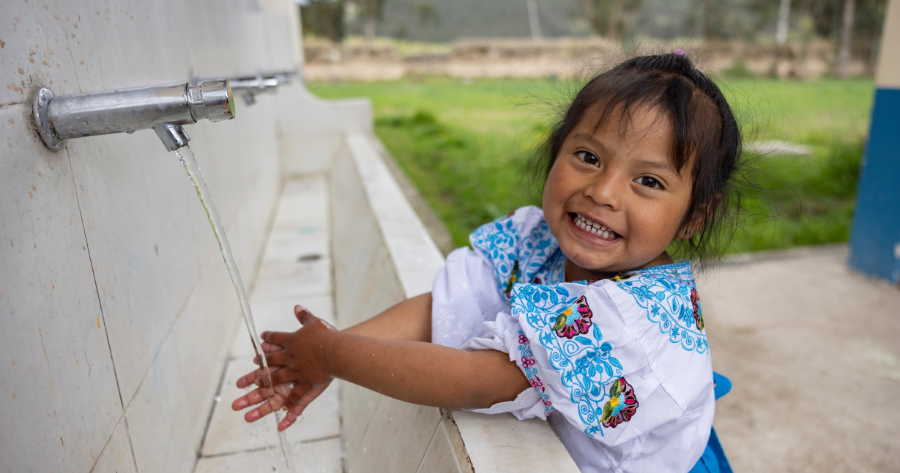
Good hygiene helps stop the spread of infectious diseases by reducing the transmission of harmful bacteria, viruses, fungi and parasites. Simple habits like washing hands with soap, preparing food safely and using clean water help prevent illnesses such as diarrhoea, cholera, influenza and COVID-19. These everyday actions reduce the spread of germs between people, surfaces, food and water – breaking the chain of infection and making it harder for disease to move through communities.
For many of us, hygiene is part of daily routine. We wash our hands before meals, clean surfaces and cover coughs without thinking twice. But in communities where clean water and sanitation are limited, these simple protections are not always possible.
For children in these settings, preventable diseases can spread quickly through homes, schools and communities. Illness can mean missed school, delayed development and greater health risks.
Here we explore how effective hygiene practices can help prevent the spread of infectious disease, and highlight some ways to maintain good hygiene.
What is an infectious disease?
An infectious disease is an illness caused by harmful microorganisms such as:
- bacteria
- viruses
- fungi
- parasites
Unlike non-infectious diseases such as asthma or cancer, infectious diseases can spread between people, through contaminated food or water, airborne droplets, surfaces or insects such as mosquitoes.
Common infectious diseases include:
- influenza
- COVID-19
- cholera
- typhoid
- diarrhoeal diseases
Vaccines and medicines help treat and prevent many infections, but hygiene remains one of the most effective ways to stop disease spreading in the first place.
What is the role of personal hygiene in preventing infectious disease outbreaks?
Personal hygiene plays a critical role in preventing infectious disease outbreaks by reducing the spread of harmful germs. Everyday practices such as washing hands with soap, using sanitiser and handling food safely help remove or reduce microorganisms that cause illness.
Good hygiene breaks the chain of infection by limiting how easily germs move between people, surfaces, food and water.
This is especially important in crowded communities and in places where access to clean water and sanitation is limited. Without these basics, infectious diseases can spread rapidly.
Children are often most affected. Frequent illness can interrupt learning, affect growth and make everyday childhood more difficult and less safe.
Good hygiene helps to:
- reduce the spread of infectious diseases
- protect children and vulnerable people from illness
- improve community health
- reduce pressure on healthcare systems
- support regular school attendance
Five hygiene habits that help prevent infection
1. Regular handwashing
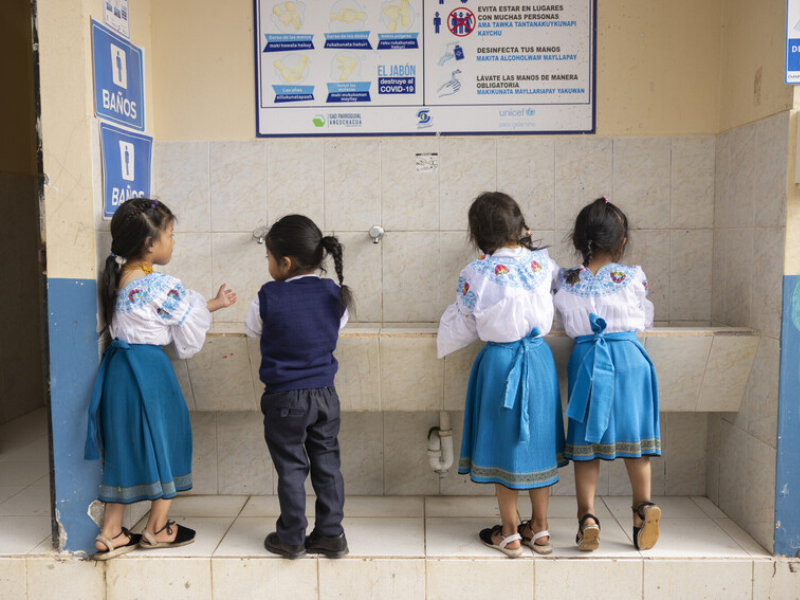
Washing hands with soap and clean water is one of the most effective ways to prevent infectious disease. It removes germs picked up from surfaces, toilets and contact with others.
At least 20 seconds of washing is recommended. Where water is limited, alcohol-based hand sanitiser can help reduce germs.
2. Safe food and water hygiene
Unsafe food and contaminated water can carry harmful pathogens.
Key habits include:
- washing fruit and vegetables
- cooking food thoroughly
- refrigerating perishables
- using safe drinking water where possible
Contaminated water remains a major cause of preventable disease worldwide.
3. Covering coughs and sneezes
Coughs and sneezes spread germs through droplets in the air and on surfaces.
Using a tissue or elbow and washing hands afterwards helps prevent transmission.
4. Personal and dental hygiene
Bathing, brushing teeth and clean clothing help reduce bacteria and support overall health.
Good hygiene also helps children stay healthy, confident and ready to learn.
5. Hygiene during outbreaks
During infectious disease outbreaks, limiting close contact can reduce spread. Physical distancing works best alongside handwashing and sanitation.
Why clean water and sanitation matter
Clean water and sanitation are essential for children’s health, education and safety. But in 2024, millions of children and families were still without these basics.
An estimated 2.2 billion people lacked safely managed drinking water, 3.4 billion lacked safely managed sanitation and 1.7 billion lacked basic hygiene at home (see: UN SDG Goal 6 Report 2025). For many families, this can mean long walks to collect water, limited or unsafe toilets and no easy way to wash hands.
In schools, 646 million children did not have access to basic hygiene services. Without soap and water, everyday moments like using the toilet or eating lunch can carry avoidable health risks and contribute to missed school days.
Without safe water, the risk of infectious disease rises sharply. Contaminated water remains a major cause of diarrhoeal disease, one of the leading causes of death in children under five (WHO).
Clean water also supports simple, everyday hygiene like handwashing – especially important in crowded communities where illness can spread quickly. It reduces the time children, particularly girls, spend collecting water and helps them stay in school.
It also improves maternal and newborn health by reducing the risk of infection during pregnancy and early infancy.
How clean water improves health and wellbeing
Clean water underpins health and development across every stage of life. When it’s not available, families often rely on unsafe sources, miss out on basic hygiene, or spend hours each day collecting water.
Access to clean water helps to:
- prevent waterborne diseases such as cholera and diarrhoea
- support handwashing and everyday hygiene
- reduce school absenteeism
- improve maternal and newborn health
- free up time for education and livelihoods
Reliable water access remains one of the simplest and most effective ways to improve health, learning and opportunity for children and communities.
How ChildFund Australia supports hygiene and sanitation
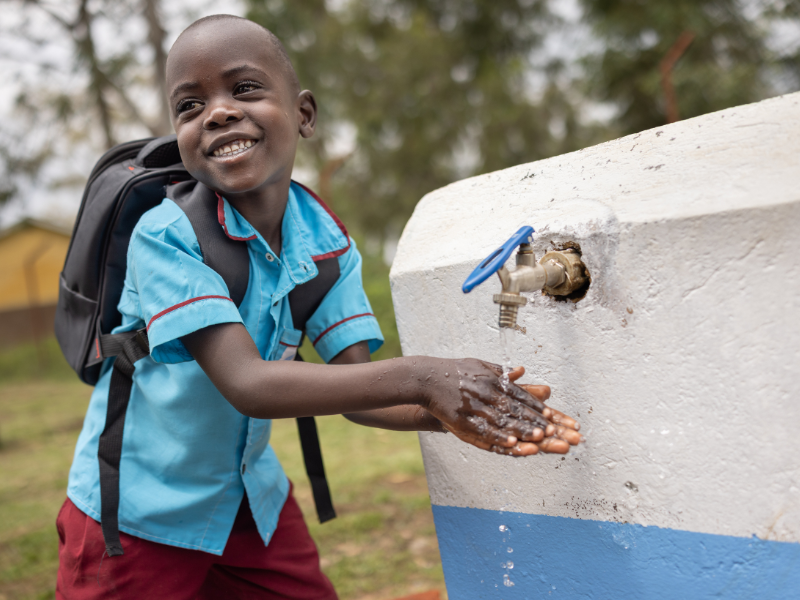
ChildFund Australia works with local partners to improve access to clean water, sanitation and hygiene in vulnerable communities.
In Kapelebyong District, Uganda, around 3,500 people once relied on a single handpump well. Long queues meant families often spent hours waiting for water.
With limited access nearby, some families collected water from unsafe swamps and streams, increasing exposure to diseases such as diarrhoea, typhoid and malaria.
“Sometimes we even missed classes struggling for water,” says Mary*, a 15-year-old student.
“There were many problems, particularly with diseases,” says community chairman Amou John Peter.
In 2024, ChildFund Australia and local partner Partners for Children Worldwide installed a solar-powered water system supplying three key locations:
- the town centre
- the primary school
- an early childhood centre
The system now provides safer, more reliable water for daily use.
Before the project, the local school had around 700 learners. Today, enrolment has grown to more than 1,200!
With clean water closer to home, children’s health has improved meaning they can focus more of their studies. It also means families spend less time collecting it and more time learning, working and caring for their children.
How you can help
Access to clean water and hygiene facilities can transform children’s lives.
You can support ChildFund Australia’s work to improve access to clean, safe water and reduce preventable disease through our water-related Gifts for Good:
Plus, all donations of $2 or more are tax deductible if made before 30 June, which will boost your next tax refund.
*Name has been changed to protect identity.