What is World Children’s Day and why is it important?
16 November 2026
•By ChildFund Australia

Your gift will make an impact.
Help shape a child's future today.
A day worth celebrating.
We know that you know that we know: every child has rights. But what do those rights actually look like in everyday life?
They mean being able to learn, feel safe, access healthcare, play, be treated fairly and have a say in the decisions that affect you.
World Children’s Day is celebrated every year on 20 November. It's a chance to put children's rights in the spotlight, listen to children and young people, and turn those rights into meaningful action.
At ChildFund Australia, we work alongside children, young people, families, communities and local partners to create lasting change. Because children aren't simply waiting for a better future. They have ideas, experiences and ambitions that can help shape it today.
When is World Children's Day?
World Children’s Day falls on 20 November every year. In 2026, that's Friday, 20 November.
The date marks two important milestones in children's rights: the adoption of the Declaration of the Rights of the Child in 1959 and the Convention on the Rights of the Child in 1989.
What is this year's World Children's Day theme?
This year's theme is My day, my rights, my future. It highlights how children's rights are part of everyday life, from having a safe place to call home and access to education and healthcare, to having time to play, express themselves and spend time with friends.
It also recognises that children have their own ideas, interests and ambitions, and should have a say in the decisions that affect their lives.
What is the history of World Children’s Day?
Originally known as Universal Children’s Day, the observance was established following a 1954 recommendation from the United Nations General Assembly. Its aim was to promote understanding between children around the world and encourage action for their wellbeing. [un.org]
Two important milestones followed:
- 20 November 1959: The Declaration of the Rights of the Child was adopted.
- 20 November 1989: The Convention on the Rights of the Child was adopted.
The Convention marked a significant step forward, setting out a comprehensive range of rights that governments have a responsibility to uphold for every child.
What is the Convention on the Rights of the Child?
Think of it as a shared commitment to children: an agreement about what every child is entitled to, simply because they're a child. The Convention covers civil, political, economic, social and cultural rights.
They include the right to:
- Education and healthcare
- Protection from violence and abuse
- Fair treatment and freedom from discrimination
- An identity
- Express their views and have them taken seriously
- Play, rest and participate in community life
Australia is one of 196 countries that are parties to the Convention. But the principle at its heart is simple: children's rights aren't rewards to be earned. They belong to every child.
Why is World Children’s Day important?
It's one thing to agree that children have rights. It's another to make sure they can actually enjoy them.
Can every child go to school? Access healthcare when they need it? Feel safe at home, in their community and online? Have their opinions heard when decisions are being made about their lives?
For many children, the answer isn't always yes.
Poverty, conflict, inequality, discrimination and violence can all stand in the way. Sometimes the barriers are less obvious: a long journey to school, limited access to a health centre or not feeling safe enough to speak up.
Addressing these barriers means creating environments where children can learn, feel safe and pursue their ambitions. It also means recognising that children aren't simply people who need support. They have their own perspectives and ideas about what needs to change.
Why is it important to listen to children?
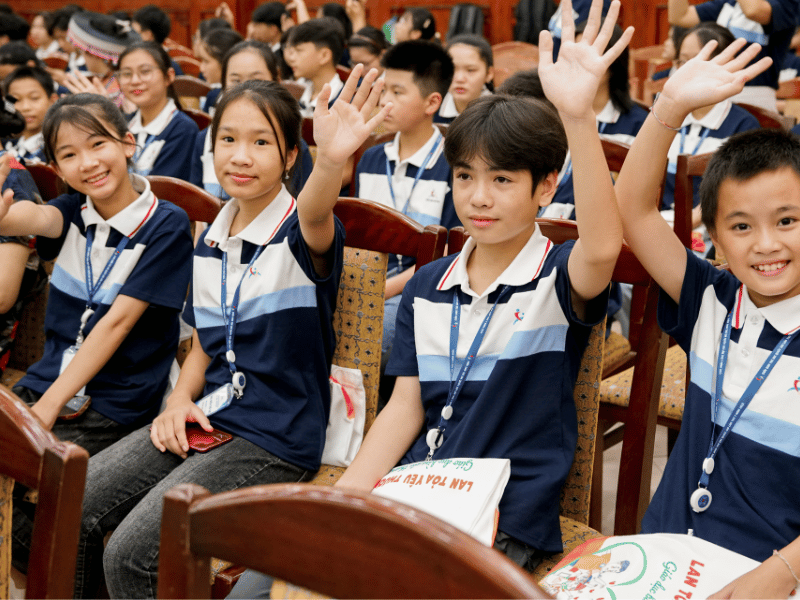
Children have their own experiences, ideas and opinions about the things that affect their lives. They should have the opportunity to share them, and to be heard.
That's why the UN Convention on the Rights of the Child recognises every child's right to express their views and have them taken seriously.
How does ChildFund support children’s rights?
At ChildFund Australia, we work alongside children, young people, families, communities and local partners to address barriers to children's rights.
That can mean strengthening child protection, improving access to education and healthcare, creating safer physical and online environments, and supporting children to have a say in decisions that affect them.
It's not a one-size-fits-all approach. Children bring their experiences and ideas, families and communities bring local knowledge, and local partners bring expertise and established relationships. Together, these strengths help shape solutions that reflect what children and communities actually need.
How can you support children’s rights?
You don't need to work in international development to play a part. There are simple ways to support children's rights in everyday life.
Here are six places to start:
- Know the rights: Learn about the rights every child is entitled to.
- Listen to children: Take an interest in what children think and experience.
- Create safe spaces: Help children feel comfortable speaking up and asking questions.
- Include everyone: Challenge stereotypes and make sure no child is left out.
- Speak up: Call out discrimination and unfair treatment when you see it.
- Get involved: Support organisations and initiatives working to uphold children's rights.
World Children’s Day is only the start
World Children’s Day comes around once a year. Children's rights don't.
Children aren't just the leaders of tomorrow. They're individuals with their own rights, ideas and ambitions today. Listening to them, taking their views seriously and respecting their rights should be part of everyday life, not just something we think about on 20 November.